A Large Pair of 19th Century Cast Iron Plaques, Each Depicting A Persian Sphinx
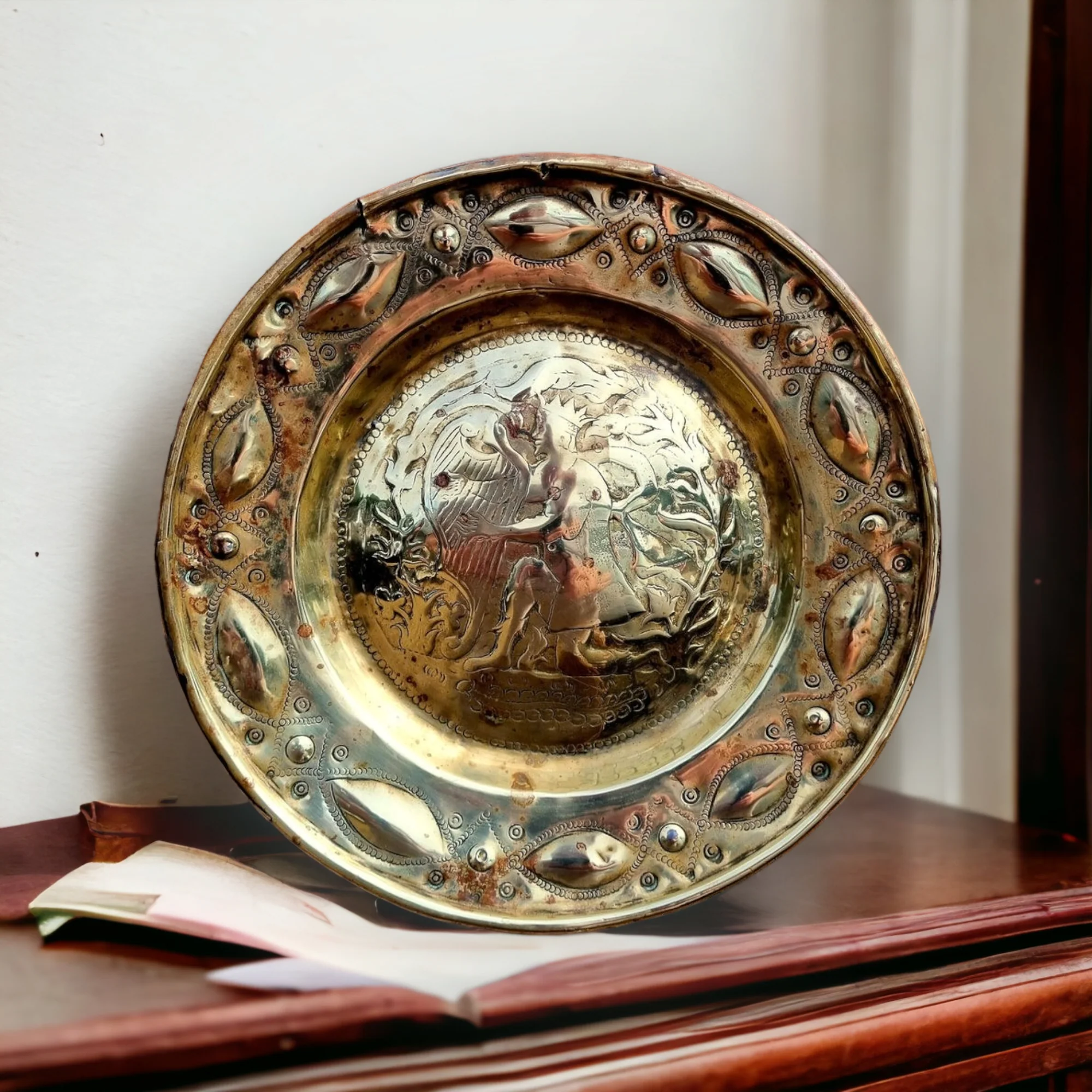
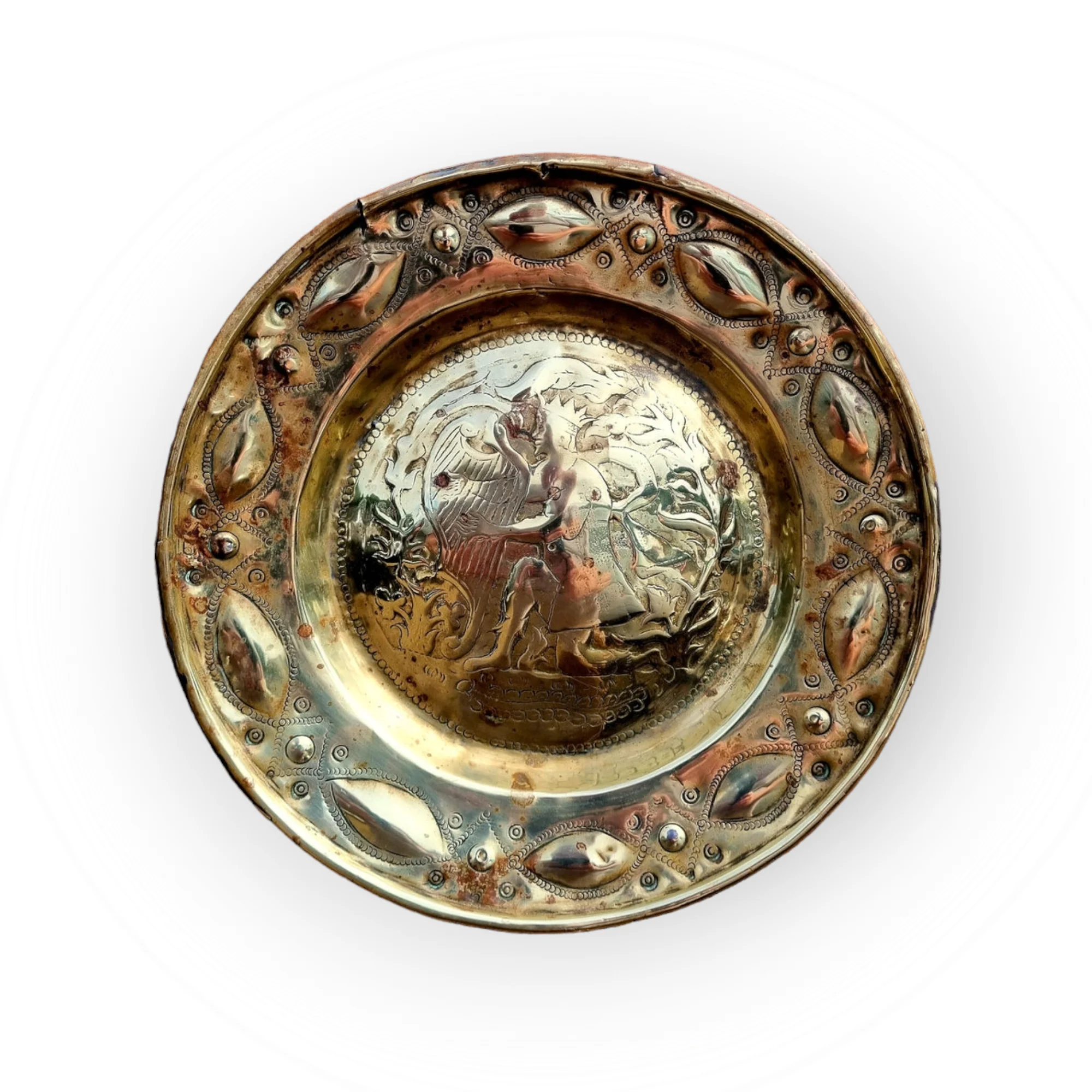
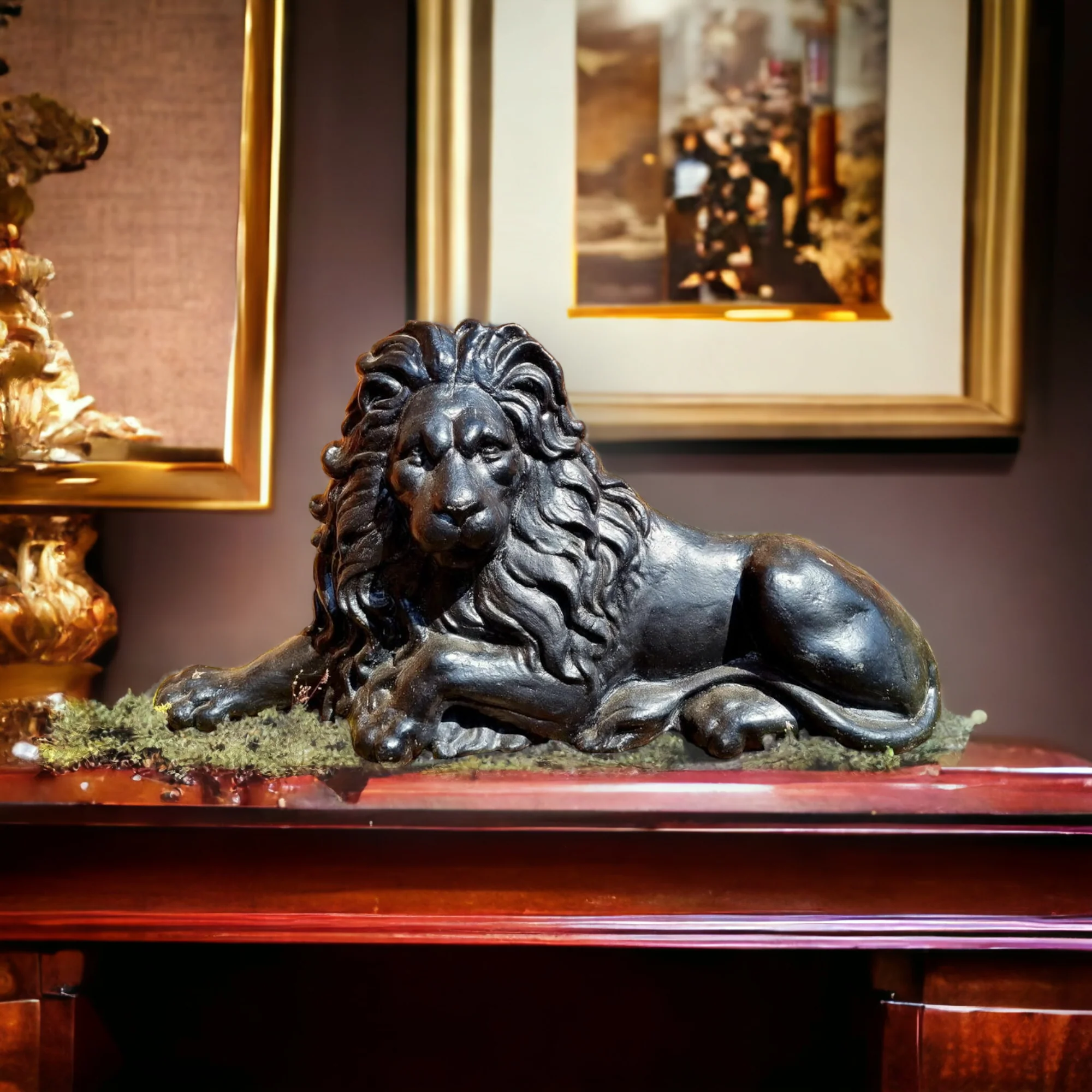
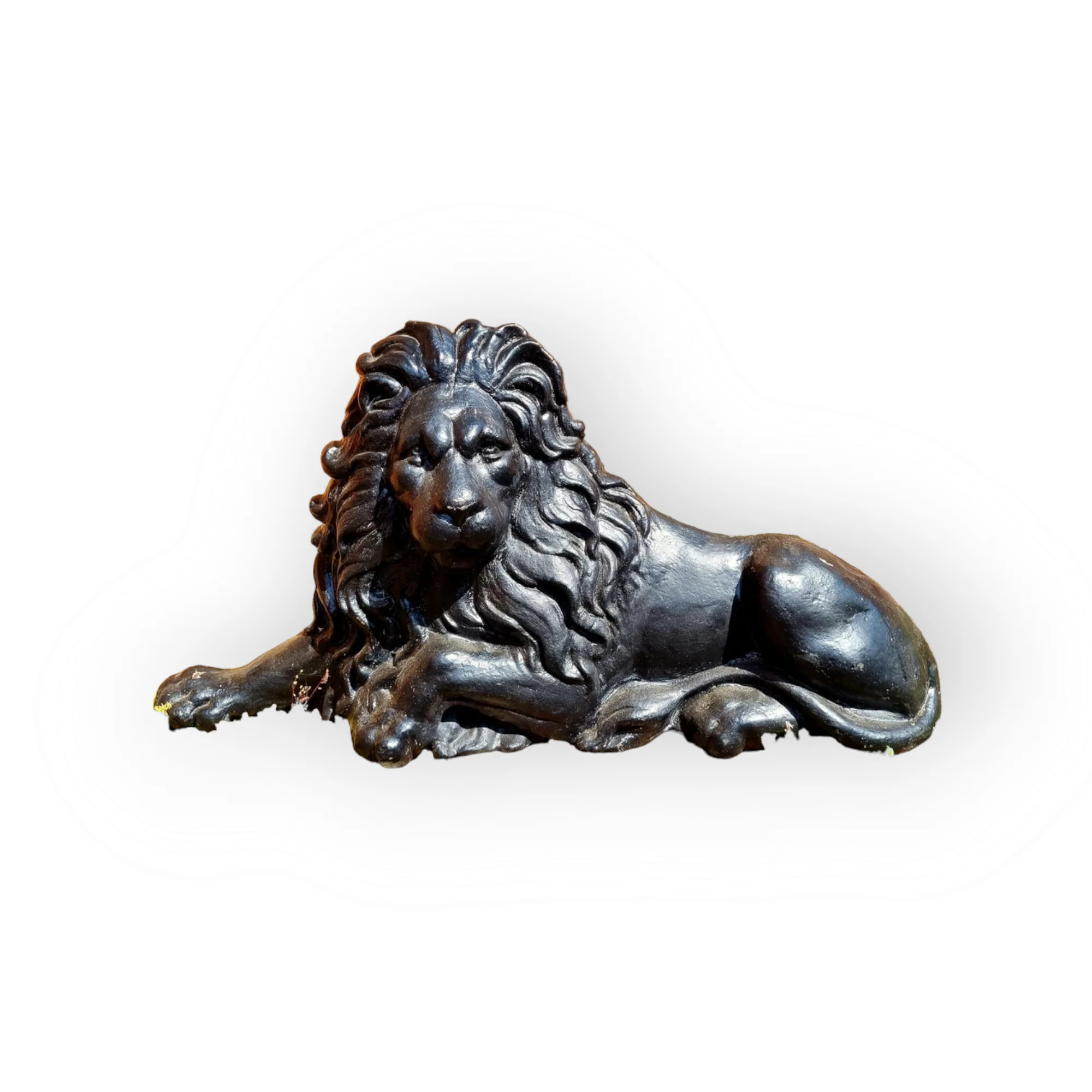
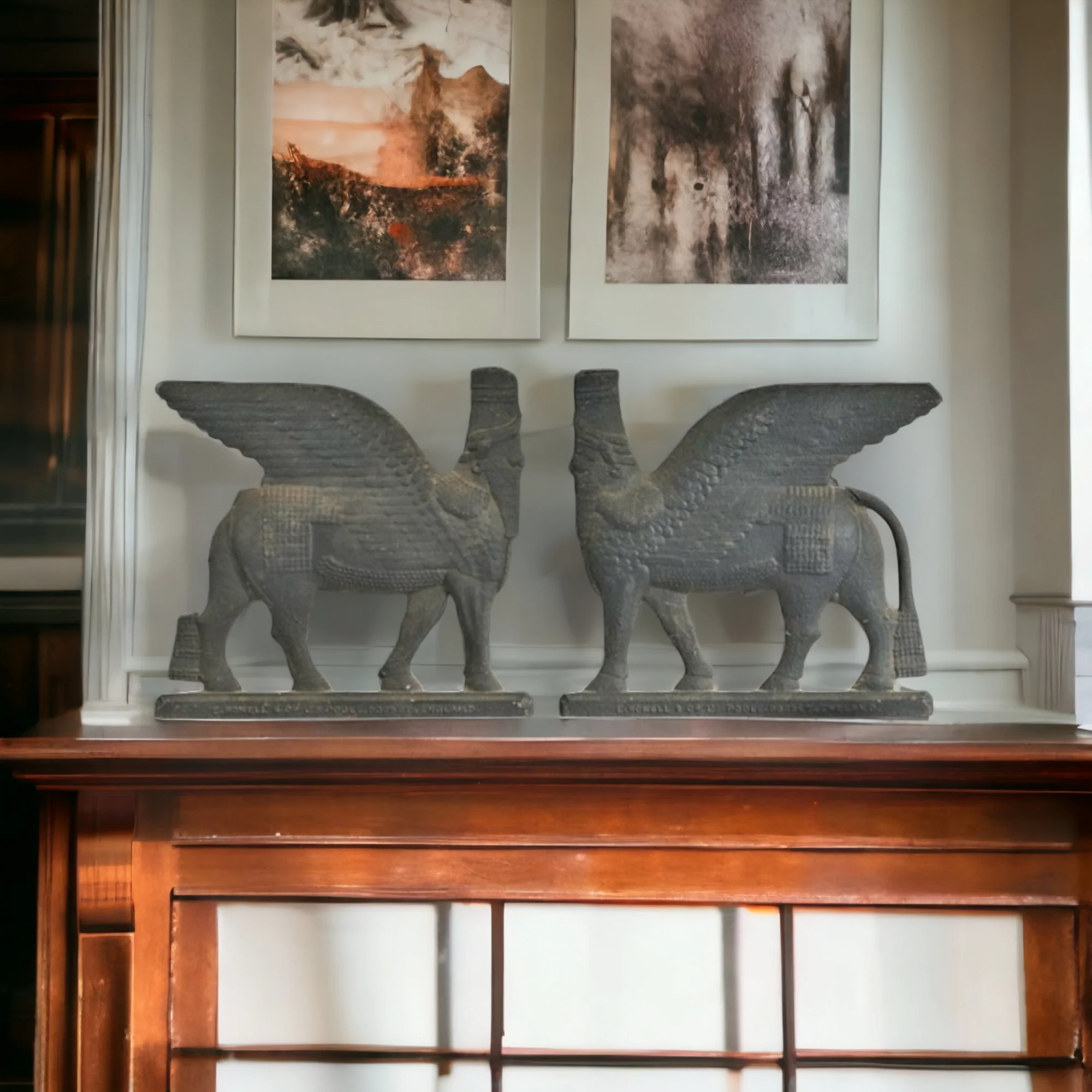
A rare and imposing pair of 19th-century cast-iron plaques, each depicting a Persian sphinx in sculptural relief. Rich in mythological symbolism and Victorian craftsmanship, these plaques offer collectors and designers a dramatic fusion of classical form and industrial artistry. Ideal for architectural integration or standalone display, they speak to the grandeur of 19th-century decorative ironwork.
Verso, each bears the manufacturer's stamp of "E Howell &Co".
Provenance: England. 19th century. Ex-Christopher Bangs Collection, Suffolk, England. A renowned expert and collector, and dealer of early metalware, Christopher passed away in May 2021. He vetted the BADA and Olympia fairs and the now-defunct Grosvenor House Fair. He also exhibited at the London fairs in the 1980s and early 90s and was also known for submitting the objects he both collected and sold to scientific testing to check on their construction, originality, and authenticity. He wrote several papers and other publications, too, including the reference book: "The Lear Collection - A Study of Copper Alloy Candlesticks AD200 to AD1700".
Condition: The left figure has lost parts of its tail; however, the plaques display very well. Please refer to the images. A further detailed condition report is available upon request.
Dimensions: Width 37 cm (14 1/2")
Historical Background:
The sphinx, a mythological creature with the body of a lion and the head of a human, has roots in both Egyptian and Persian traditions. In Persian mythology, the sphinx often symbolizes wisdom, protection, and royal authority — a guardian figure with enigmatic power.
During the 19th century, cast iron became a popular medium for architectural and decorative arts, prized for its durability and ability to capture fine detail. These plaques, likely produced for a grand interior or garden setting, reflect the Victorian fascination with exoticism and classical motifs. Their large scale and sculptural depth suggest they were intended as statement pieces — perhaps flanking a doorway or adorning a formal wall.
Simply put, a sculptural echo of ancient myth — cast in iron, scaled for grandeur, and steeped in the mystery of Persian lore.
A rare and imposing pair of 19th-century cast-iron plaques, each depicting a Persian sphinx in sculptural relief. Rich in mythological symbolism and Victorian craftsmanship, these plaques offer collectors and designers a dramatic fusion of classical form and industrial artistry. Ideal for architectural integration or standalone display, they speak to the grandeur of 19th-century decorative ironwork.
Verso, each bears the manufacturer's stamp of "E Howell &Co".
Provenance: England. 19th century. Ex-Christopher Bangs Collection, Suffolk, England. A renowned expert and collector, and dealer of early metalware, Christopher passed away in May 2021. He vetted the BADA and Olympia fairs and the now-defunct Grosvenor House Fair. He also exhibited at the London fairs in the 1980s and early 90s and was also known for submitting the objects he both collected and sold to scientific testing to check on their construction, originality, and authenticity. He wrote several papers and other publications, too, including the reference book: "The Lear Collection - A Study of Copper Alloy Candlesticks AD200 to AD1700".
Condition: The left figure has lost parts of its tail; however, the plaques display very well. Please refer to the images. A further detailed condition report is available upon request.
Dimensions: Width 37 cm (14 1/2")
Historical Background:
The sphinx, a mythological creature with the body of a lion and the head of a human, has roots in both Egyptian and Persian traditions. In Persian mythology, the sphinx often symbolizes wisdom, protection, and royal authority — a guardian figure with enigmatic power.
During the 19th century, cast iron became a popular medium for architectural and decorative arts, prized for its durability and ability to capture fine detail. These plaques, likely produced for a grand interior or garden setting, reflect the Victorian fascination with exoticism and classical motifs. Their large scale and sculptural depth suggest they were intended as statement pieces — perhaps flanking a doorway or adorning a formal wall.
Simply put, a sculptural echo of ancient myth — cast in iron, scaled for grandeur, and steeped in the mystery of Persian lore.
Original: $1,090.37
-70%$1,090.37
$327.11Description
A rare and imposing pair of 19th-century cast-iron plaques, each depicting a Persian sphinx in sculptural relief. Rich in mythological symbolism and Victorian craftsmanship, these plaques offer collectors and designers a dramatic fusion of classical form and industrial artistry. Ideal for architectural integration or standalone display, they speak to the grandeur of 19th-century decorative ironwork.
Verso, each bears the manufacturer's stamp of "E Howell &Co".
Provenance: England. 19th century. Ex-Christopher Bangs Collection, Suffolk, England. A renowned expert and collector, and dealer of early metalware, Christopher passed away in May 2021. He vetted the BADA and Olympia fairs and the now-defunct Grosvenor House Fair. He also exhibited at the London fairs in the 1980s and early 90s and was also known for submitting the objects he both collected and sold to scientific testing to check on their construction, originality, and authenticity. He wrote several papers and other publications, too, including the reference book: "The Lear Collection - A Study of Copper Alloy Candlesticks AD200 to AD1700".
Condition: The left figure has lost parts of its tail; however, the plaques display very well. Please refer to the images. A further detailed condition report is available upon request.
Dimensions: Width 37 cm (14 1/2")
Historical Background:
The sphinx, a mythological creature with the body of a lion and the head of a human, has roots in both Egyptian and Persian traditions. In Persian mythology, the sphinx often symbolizes wisdom, protection, and royal authority — a guardian figure with enigmatic power.
During the 19th century, cast iron became a popular medium for architectural and decorative arts, prized for its durability and ability to capture fine detail. These plaques, likely produced for a grand interior or garden setting, reflect the Victorian fascination with exoticism and classical motifs. Their large scale and sculptural depth suggest they were intended as statement pieces — perhaps flanking a doorway or adorning a formal wall.
Simply put, a sculptural echo of ancient myth — cast in iron, scaled for grandeur, and steeped in the mystery of Persian lore.