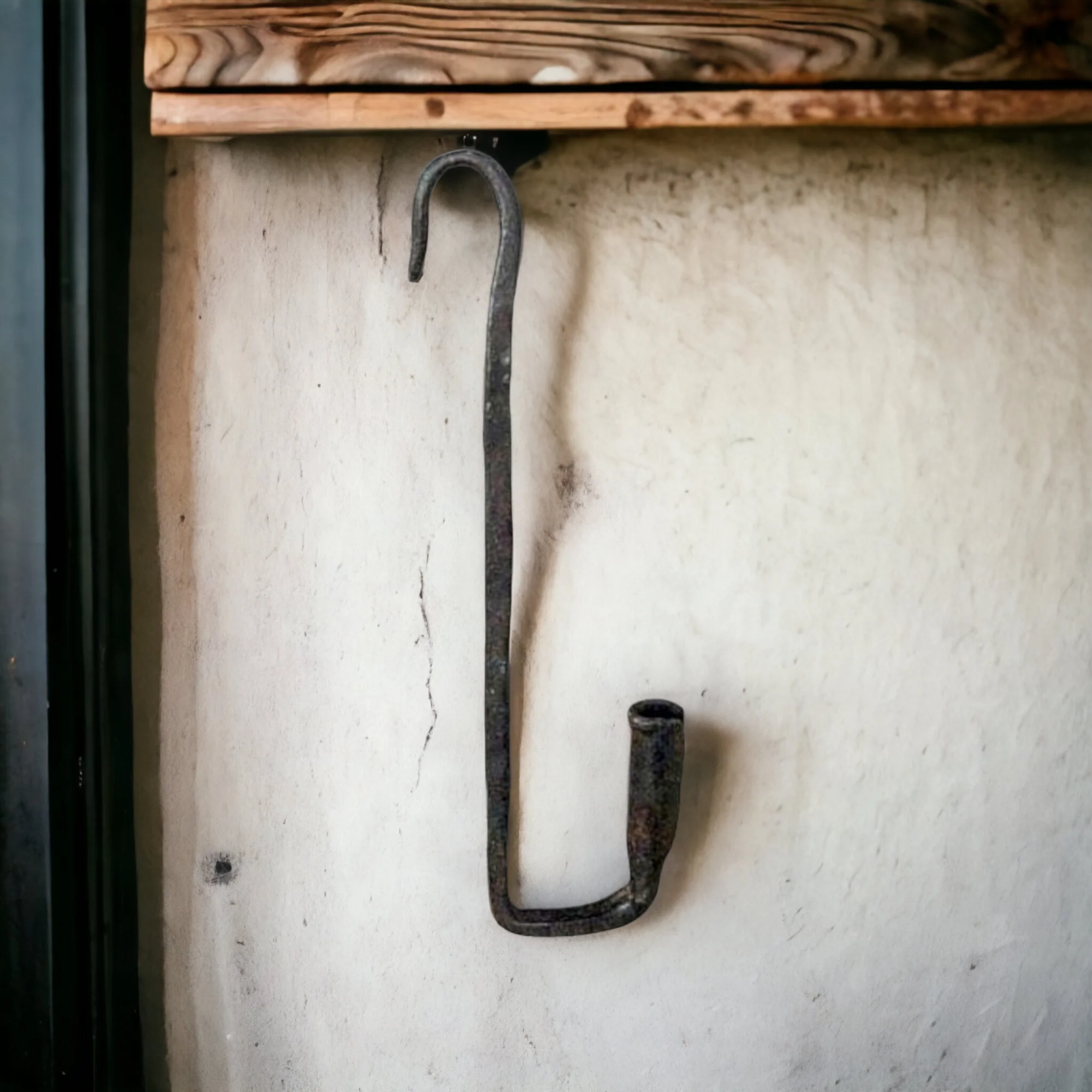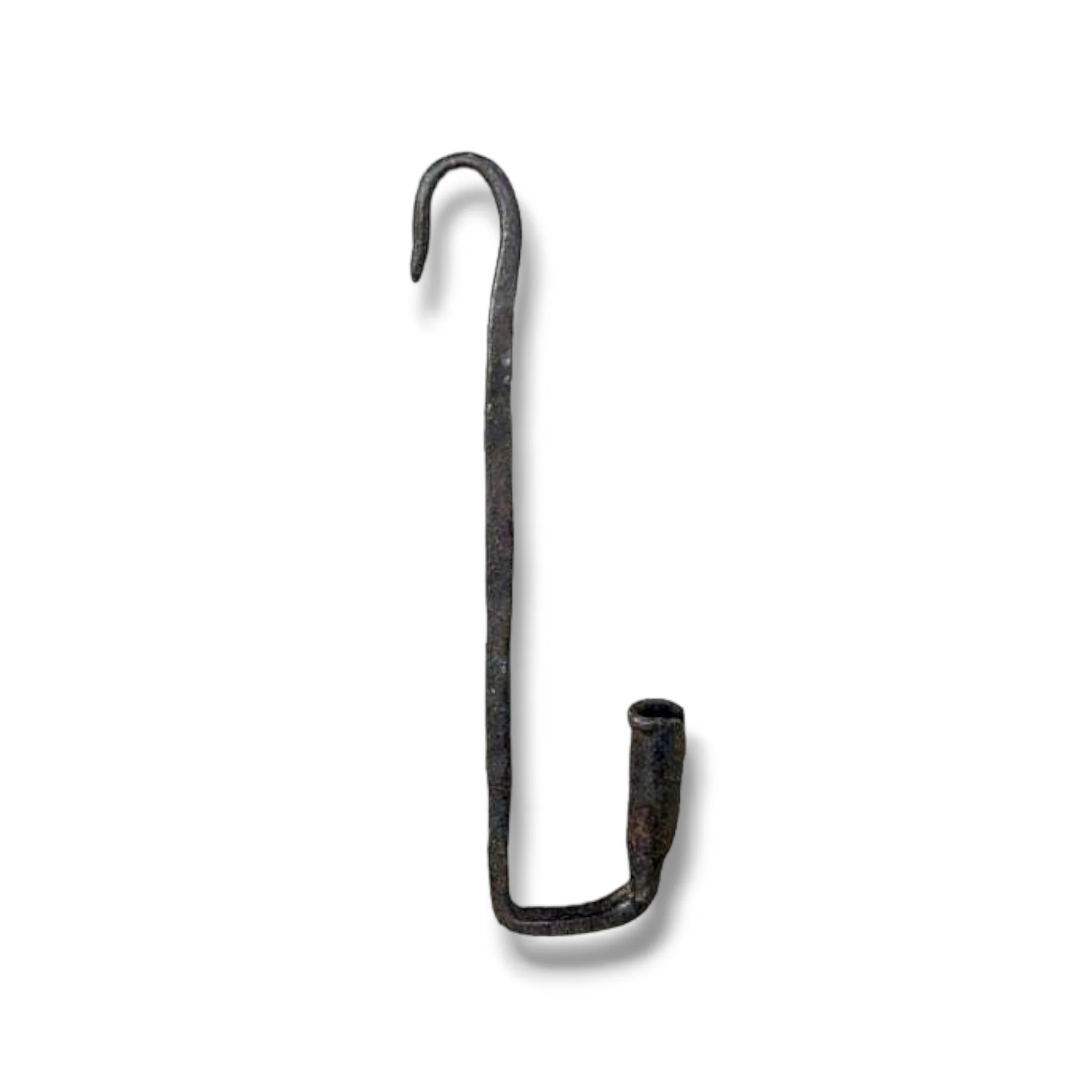
18th Century English Rushlight – Antique Iron Rushnip on Burrwood Base
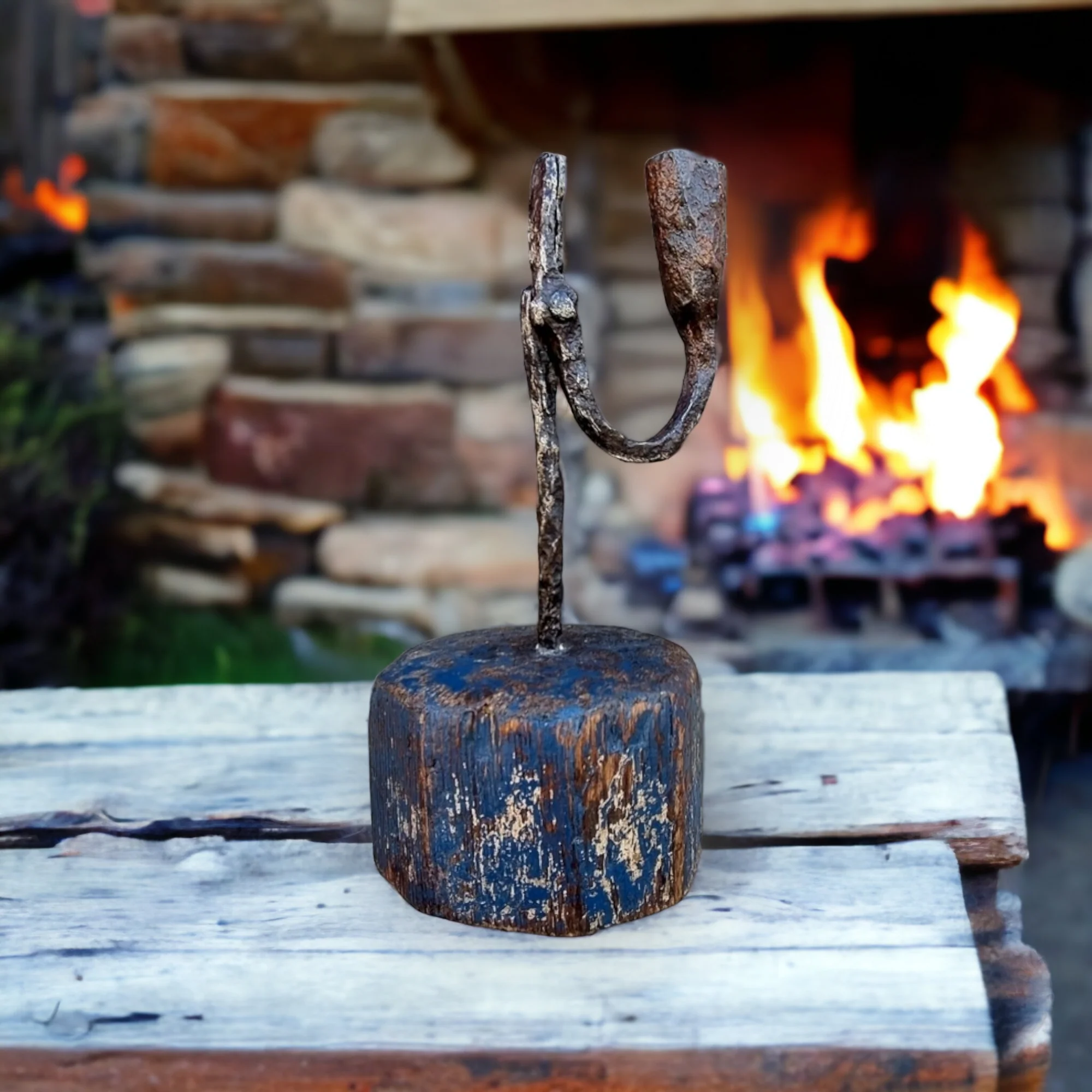
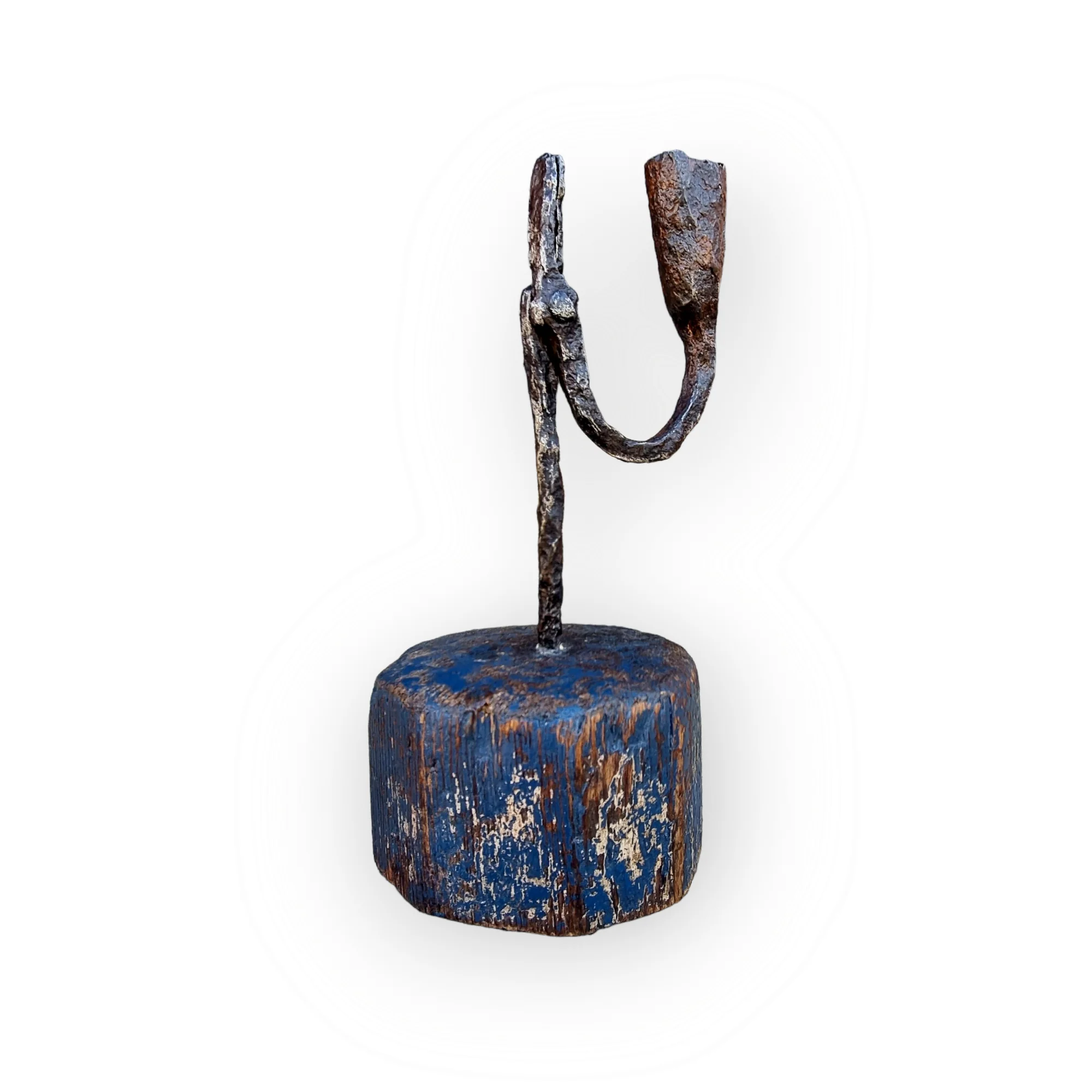
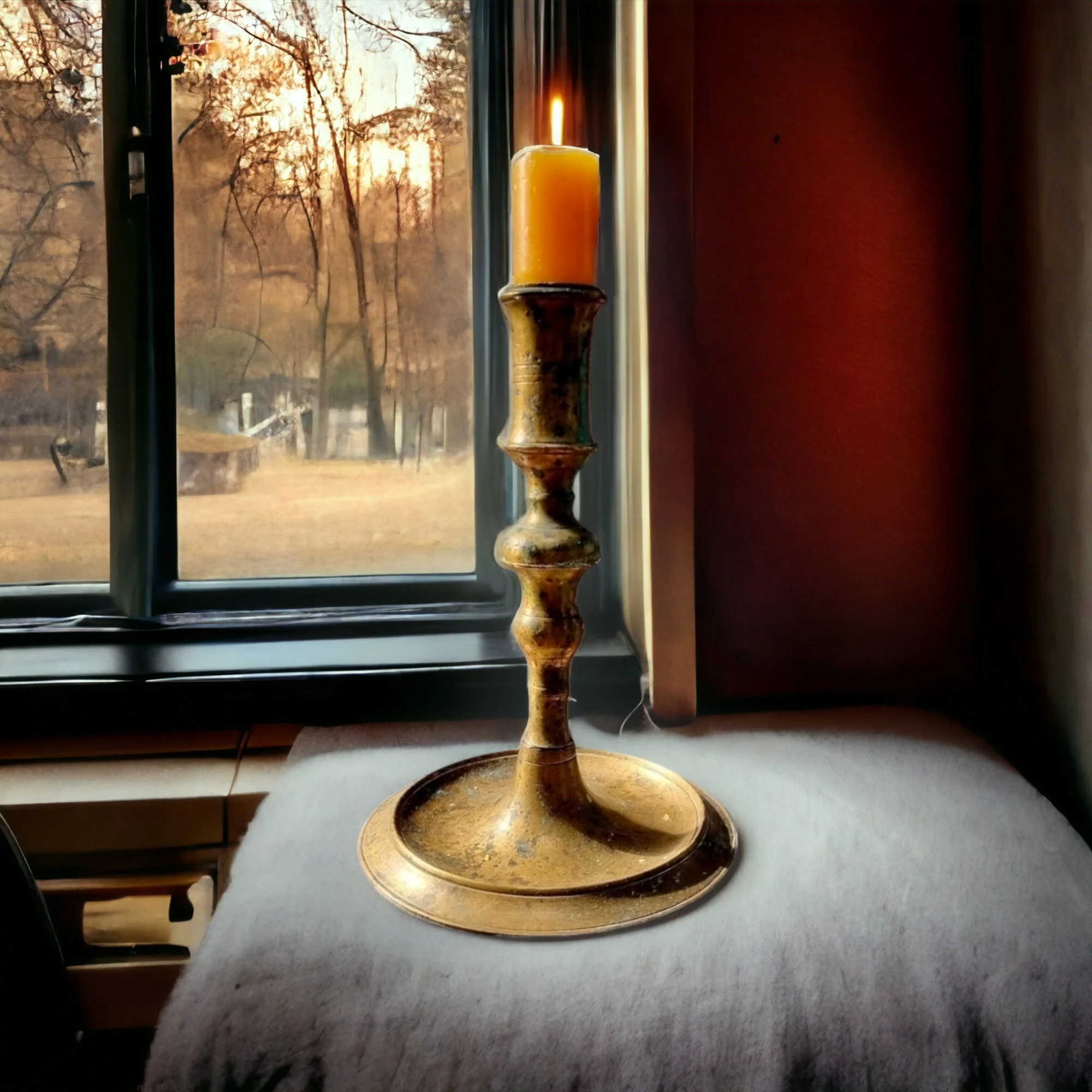
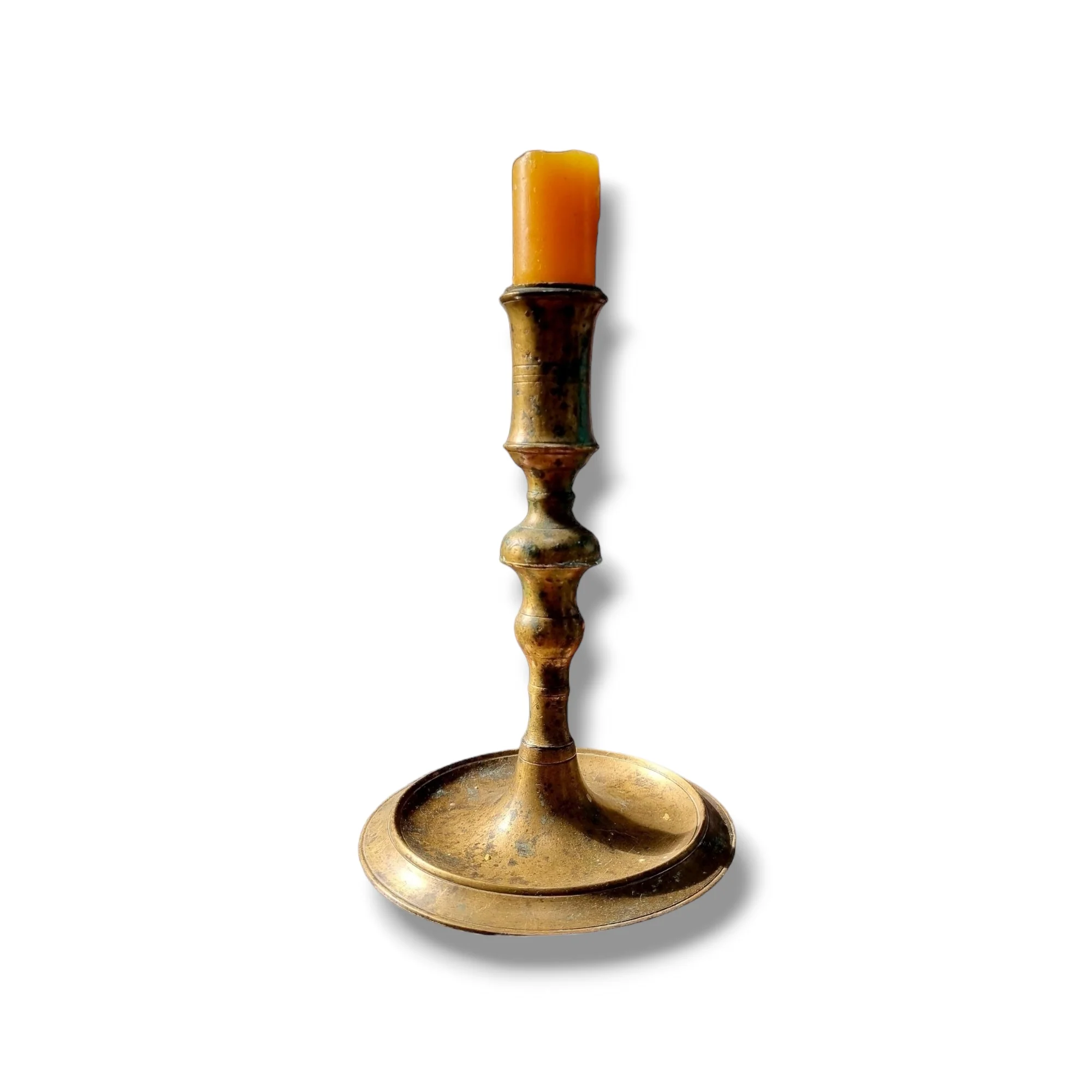
An original 18th-century antique rushlight.
English origin.
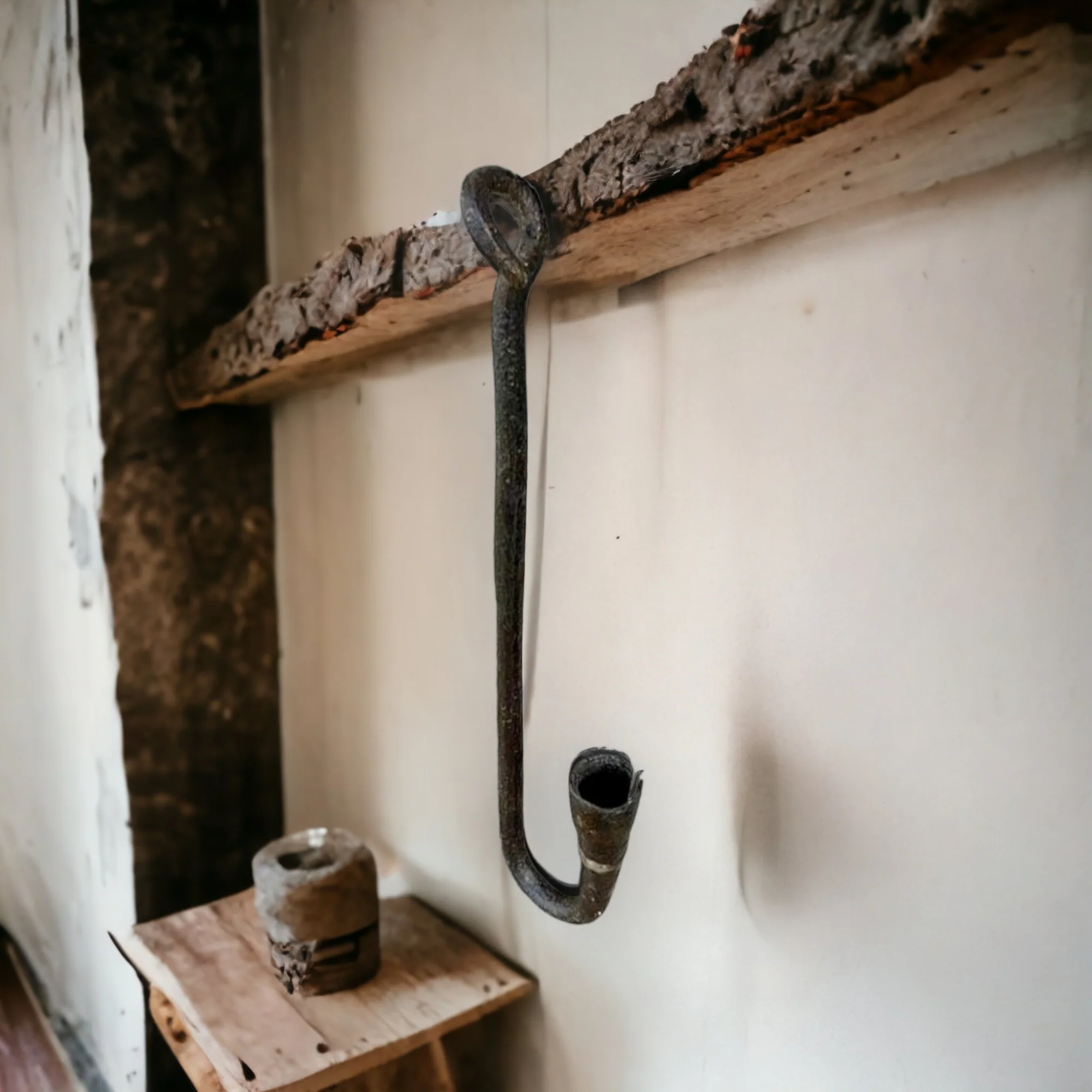
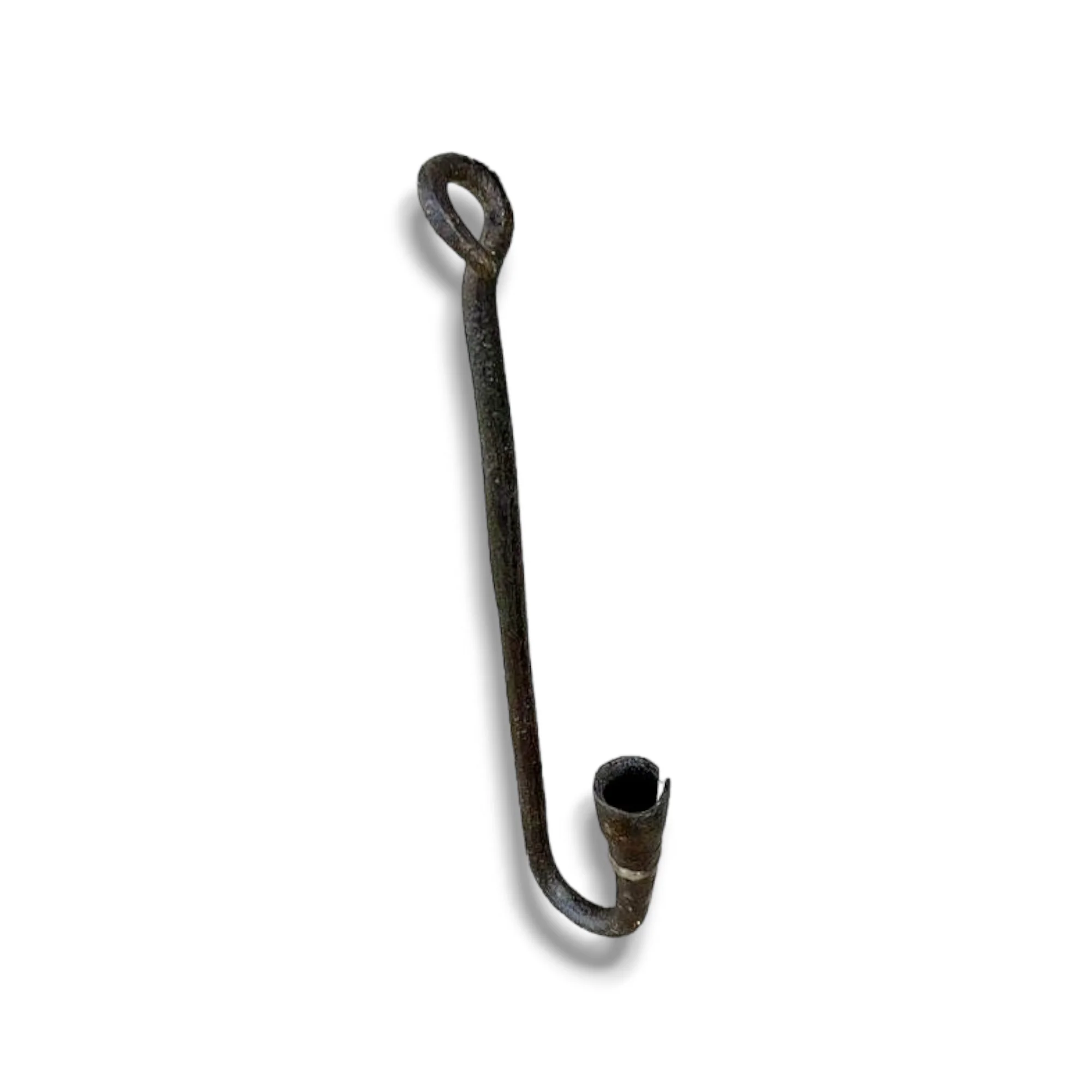
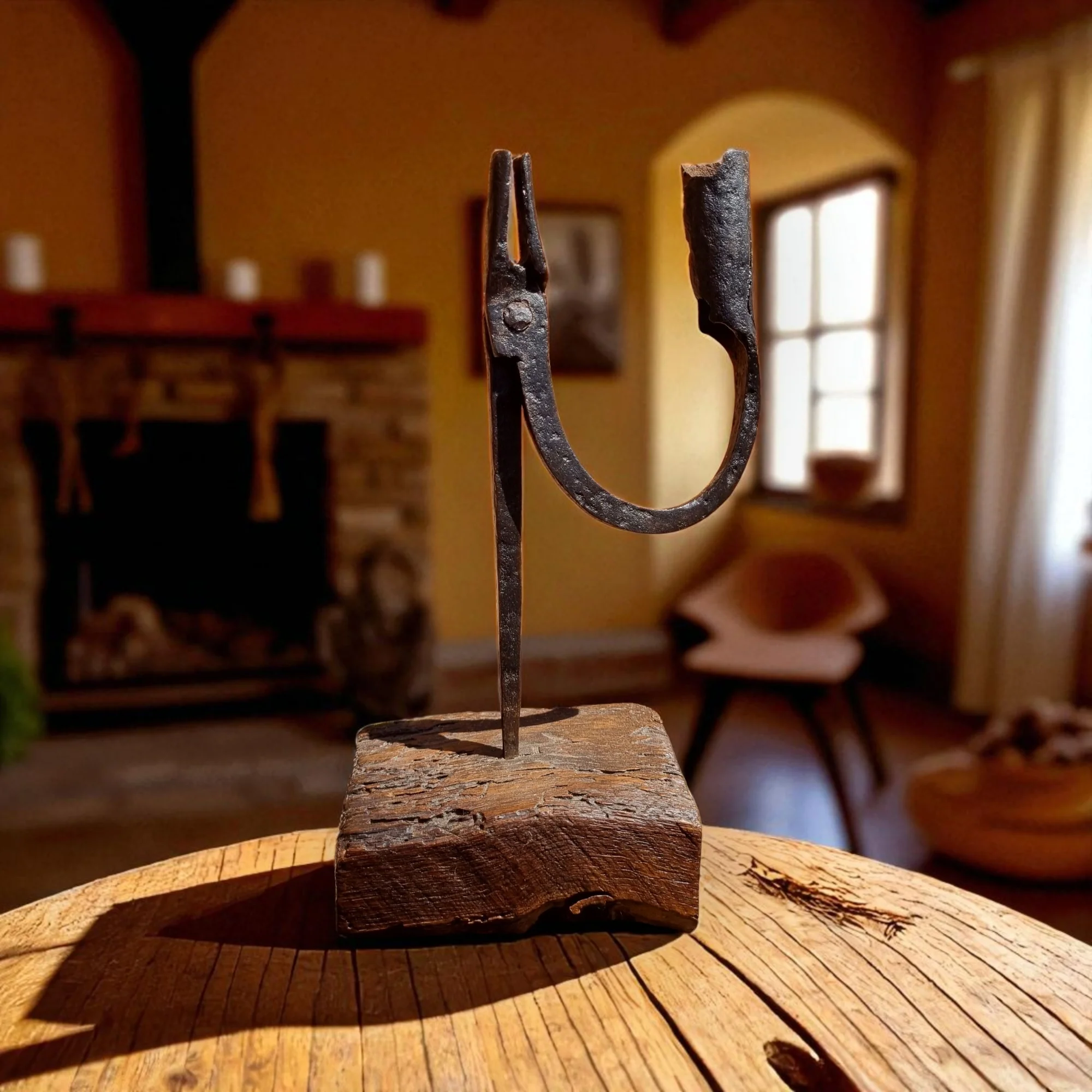
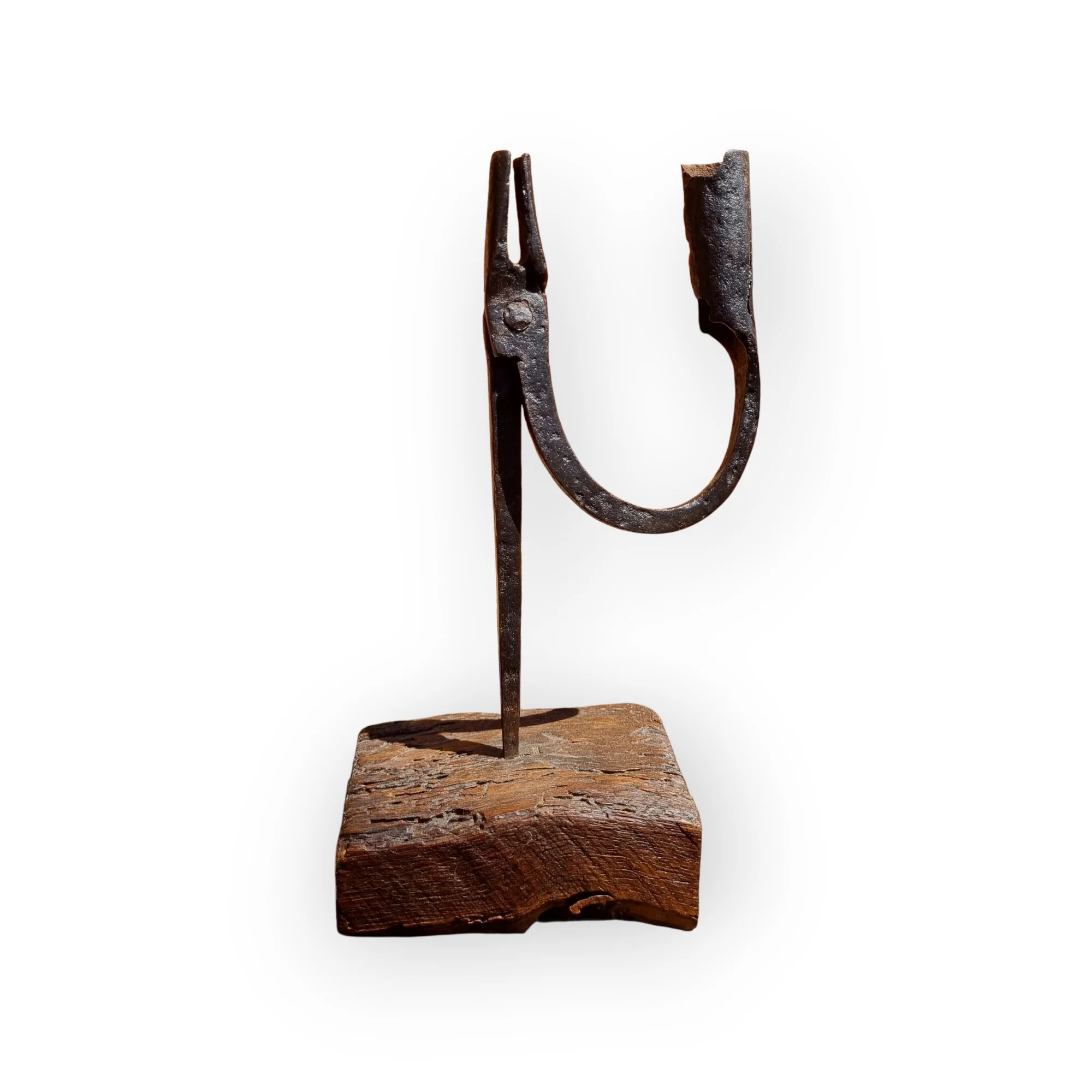
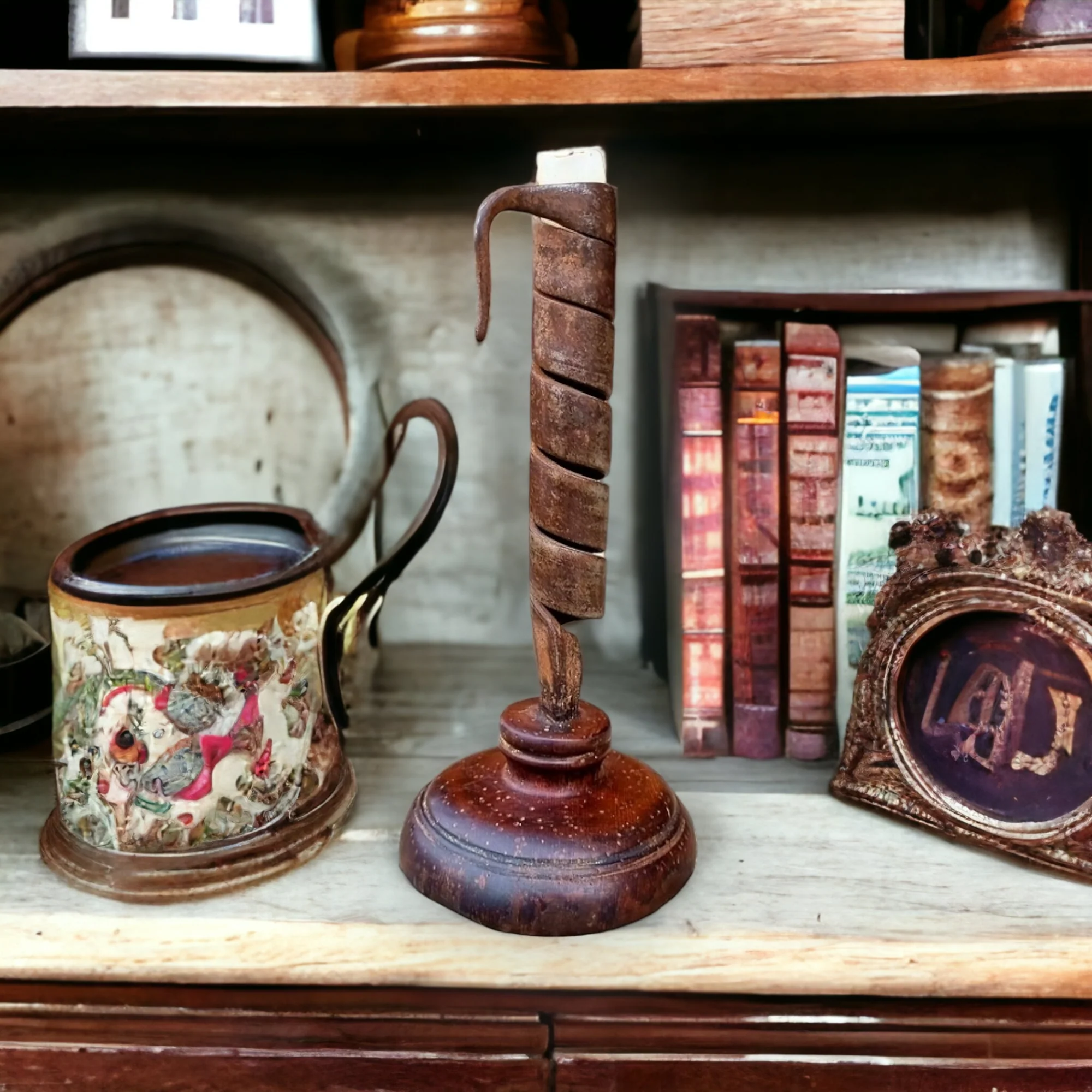
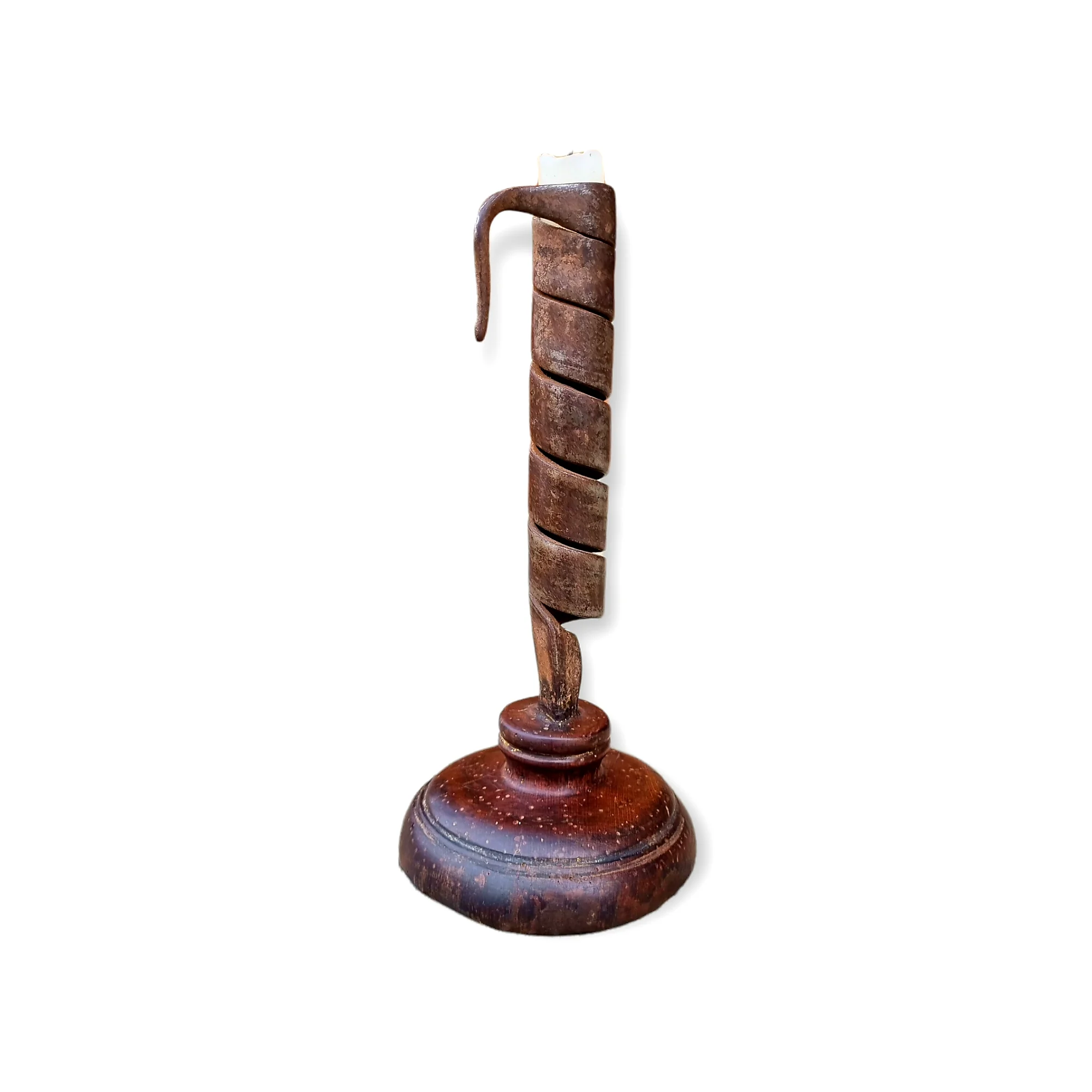
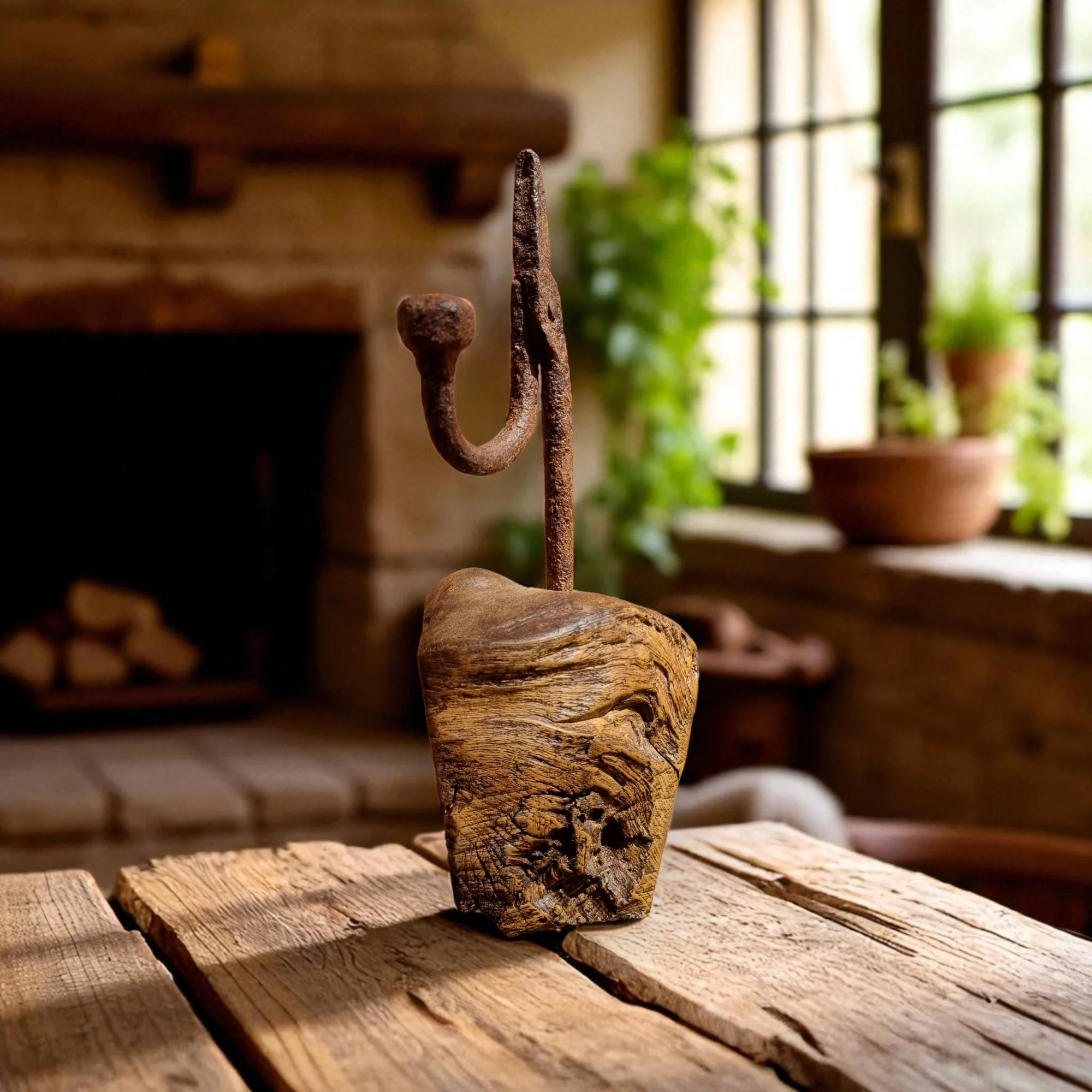
The jaws with a large rivet, a plain stem, and an arm of "U" shape with a knopped counterbalance.
Supported on its original wooden burrwood base.
What are rushlights, and how were they used?
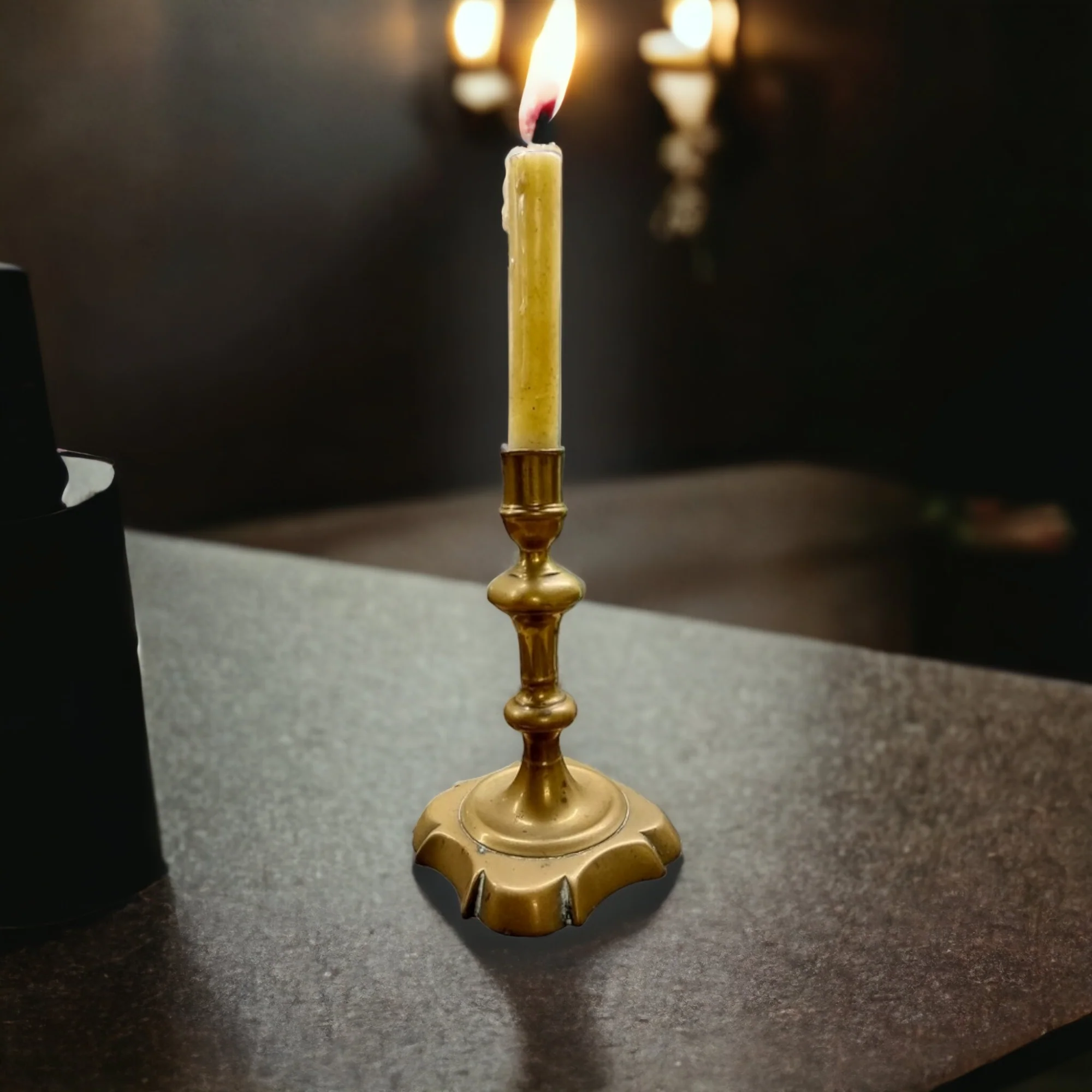
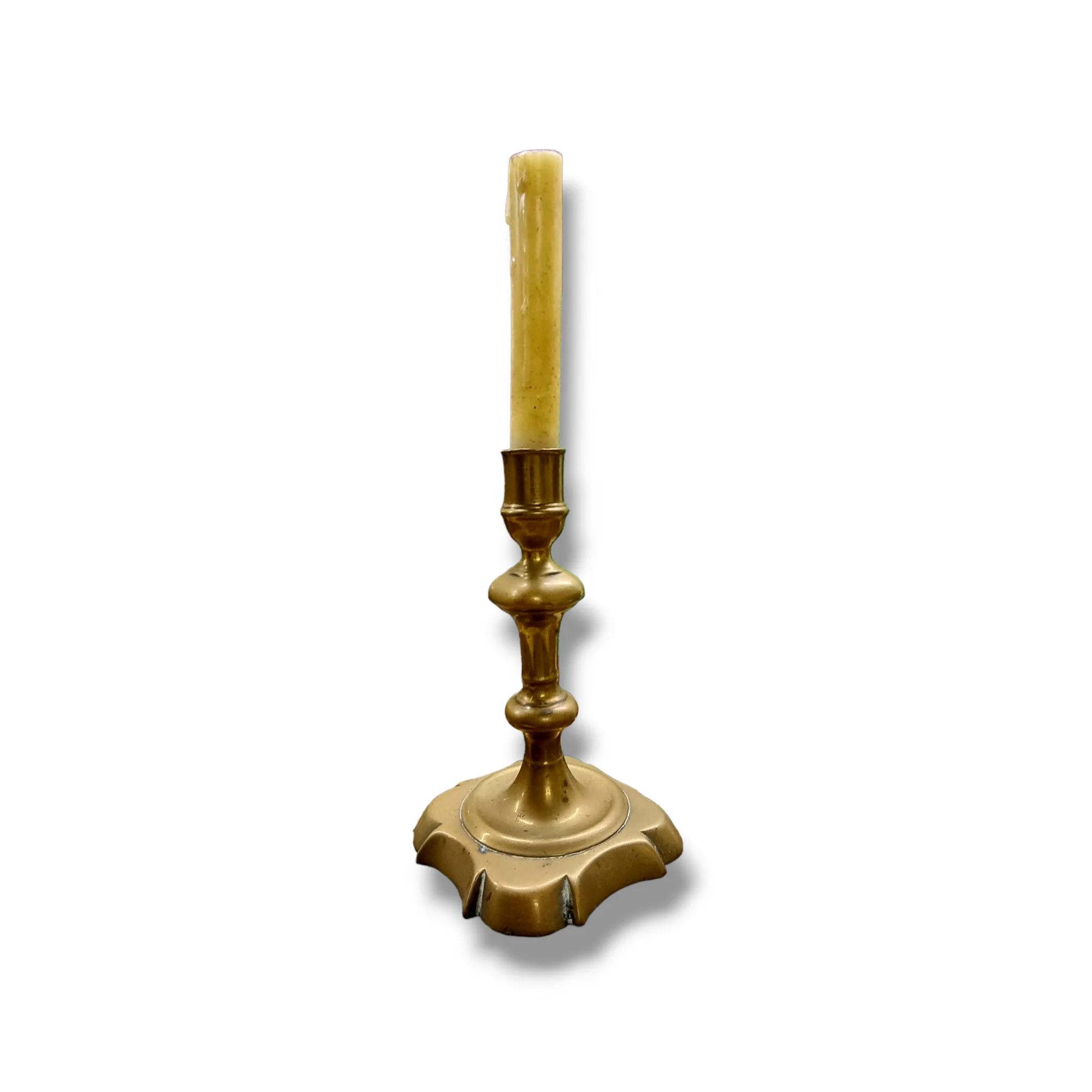
Rushlights were an early form of domestic lighting commonly used in the 17th and 18th centuries, especially in rural areas of Britain and Europe.
They were made from dried rushes that were stripped of 80% of their external cover (the balance was left to form a supporting spine) and drawn through a grisset pan that held molten animal fat (like tallow). Once dry, these would be placed in a metal rushlight holder or "rushnip" to be used for lighting.
Once ignited, they burned for a relatively short time, up to 30 minutes, depending on their length.
A rare survival of English domestic lighting — ideal for collectors of primitive metalware, rustic antiques, or 18th-century vernacular objects.
Provenance: England. 18th century. Found in Yorkshire, England.
Condition: As per the images. Some surface rust and minor losses to the base are commensurate with age.
Dimensions: Height 23 cm (9")
An original 18th-century antique rushlight.
English origin.
The jaws with a large rivet, a plain stem, and an arm of "U" shape with a knopped counterbalance.
Supported on its original wooden burrwood base.
What are rushlights, and how were they used?
Rushlights were an early form of domestic lighting commonly used in the 17th and 18th centuries, especially in rural areas of Britain and Europe.
They were made from dried rushes that were stripped of 80% of their external cover (the balance was left to form a supporting spine) and drawn through a grisset pan that held molten animal fat (like tallow). Once dry, these would be placed in a metal rushlight holder or "rushnip" to be used for lighting.
Once ignited, they burned for a relatively short time, up to 30 minutes, depending on their length.
A rare survival of English domestic lighting — ideal for collectors of primitive metalware, rustic antiques, or 18th-century vernacular objects.
Provenance: England. 18th century. Found in Yorkshire, England.
Condition: As per the images. Some surface rust and minor losses to the base are commensurate with age.
Dimensions: Height 23 cm (9")
Original: $1,090.37
-70%$1,090.37
$327.11Description
An original 18th-century antique rushlight.
English origin.
The jaws with a large rivet, a plain stem, and an arm of "U" shape with a knopped counterbalance.
Supported on its original wooden burrwood base.
What are rushlights, and how were they used?
Rushlights were an early form of domestic lighting commonly used in the 17th and 18th centuries, especially in rural areas of Britain and Europe.
They were made from dried rushes that were stripped of 80% of their external cover (the balance was left to form a supporting spine) and drawn through a grisset pan that held molten animal fat (like tallow). Once dry, these would be placed in a metal rushlight holder or "rushnip" to be used for lighting.
Once ignited, they burned for a relatively short time, up to 30 minutes, depending on their length.
A rare survival of English domestic lighting — ideal for collectors of primitive metalware, rustic antiques, or 18th-century vernacular objects.
Provenance: England. 18th century. Found in Yorkshire, England.
Condition: As per the images. Some surface rust and minor losses to the base are commensurate with age.
Dimensions: Height 23 cm (9")