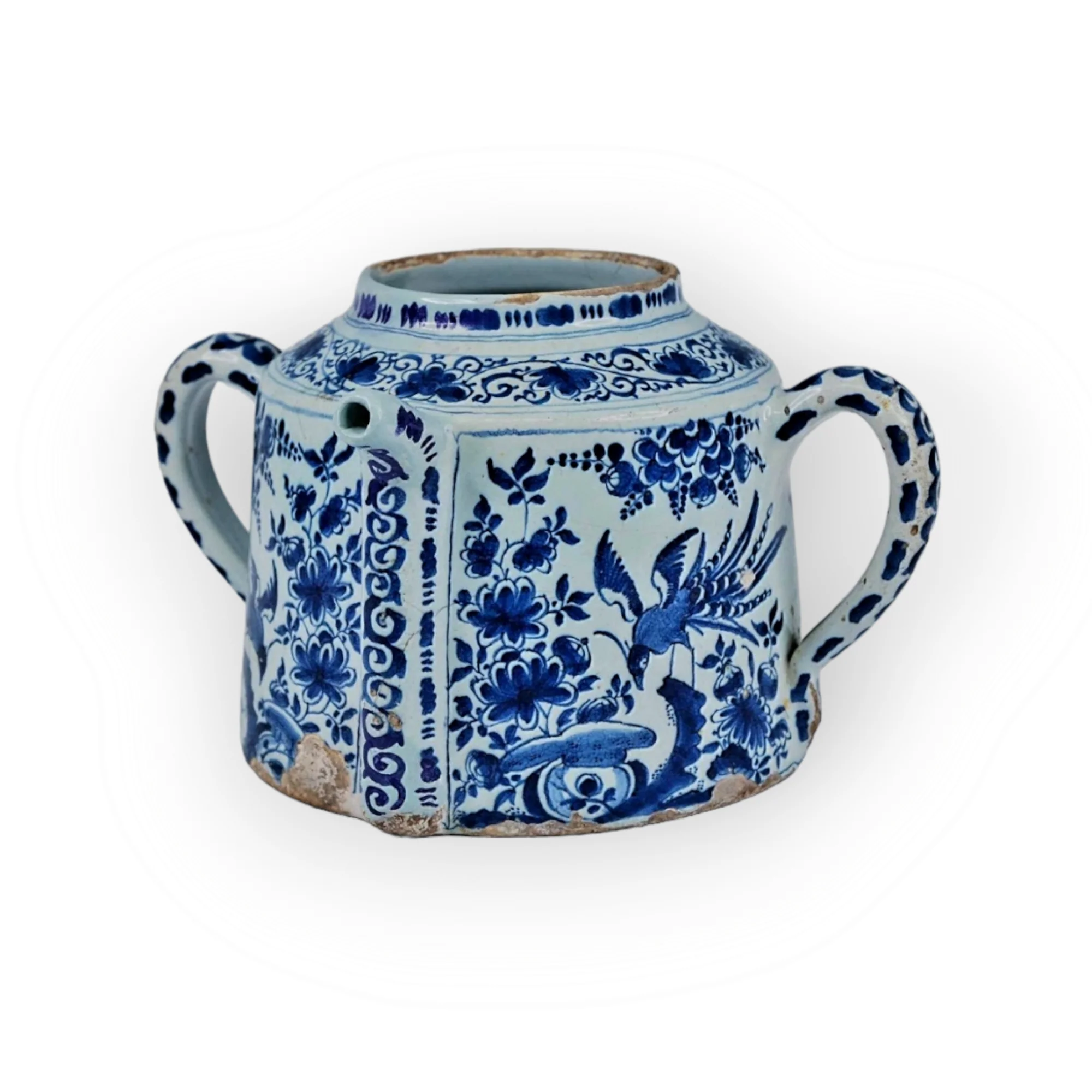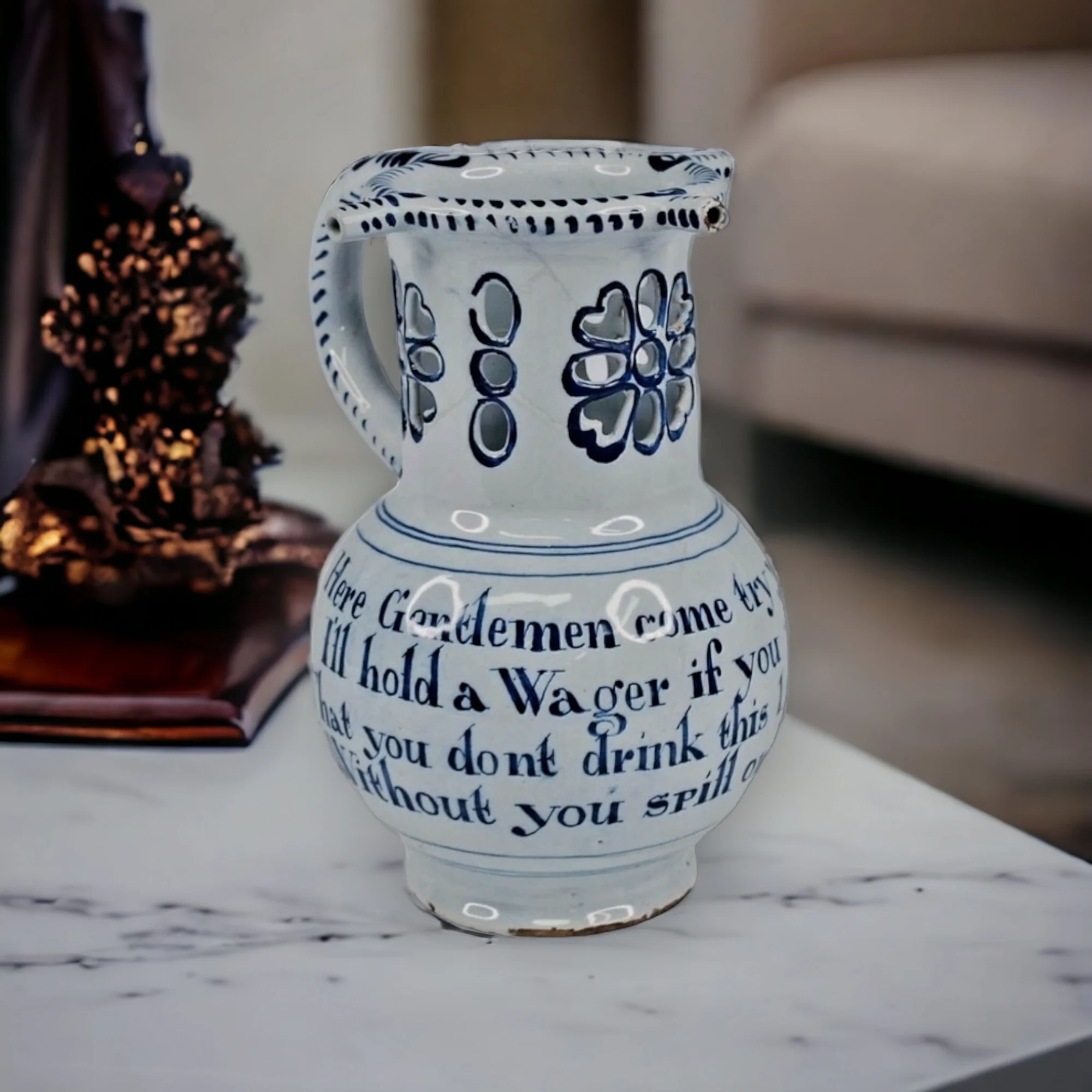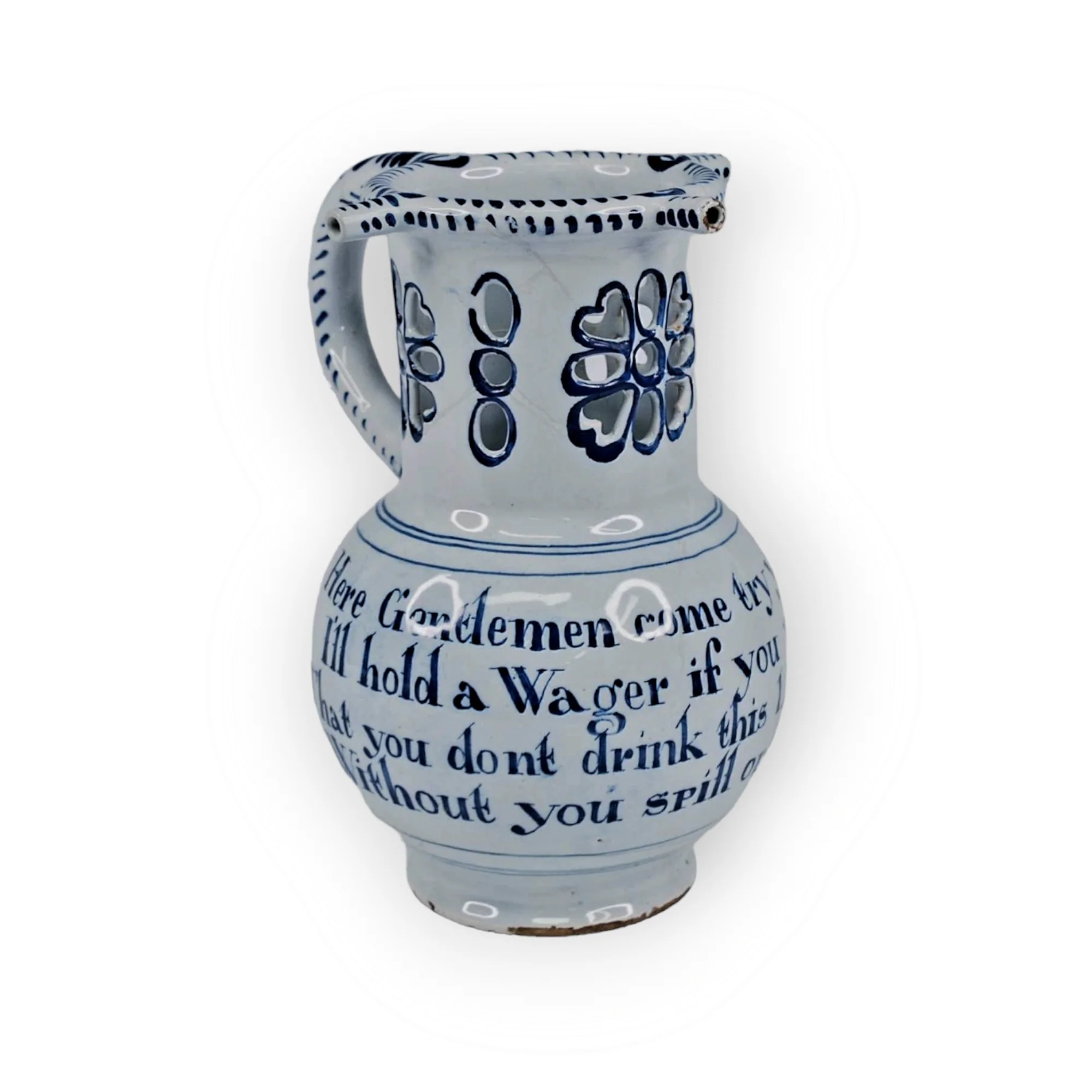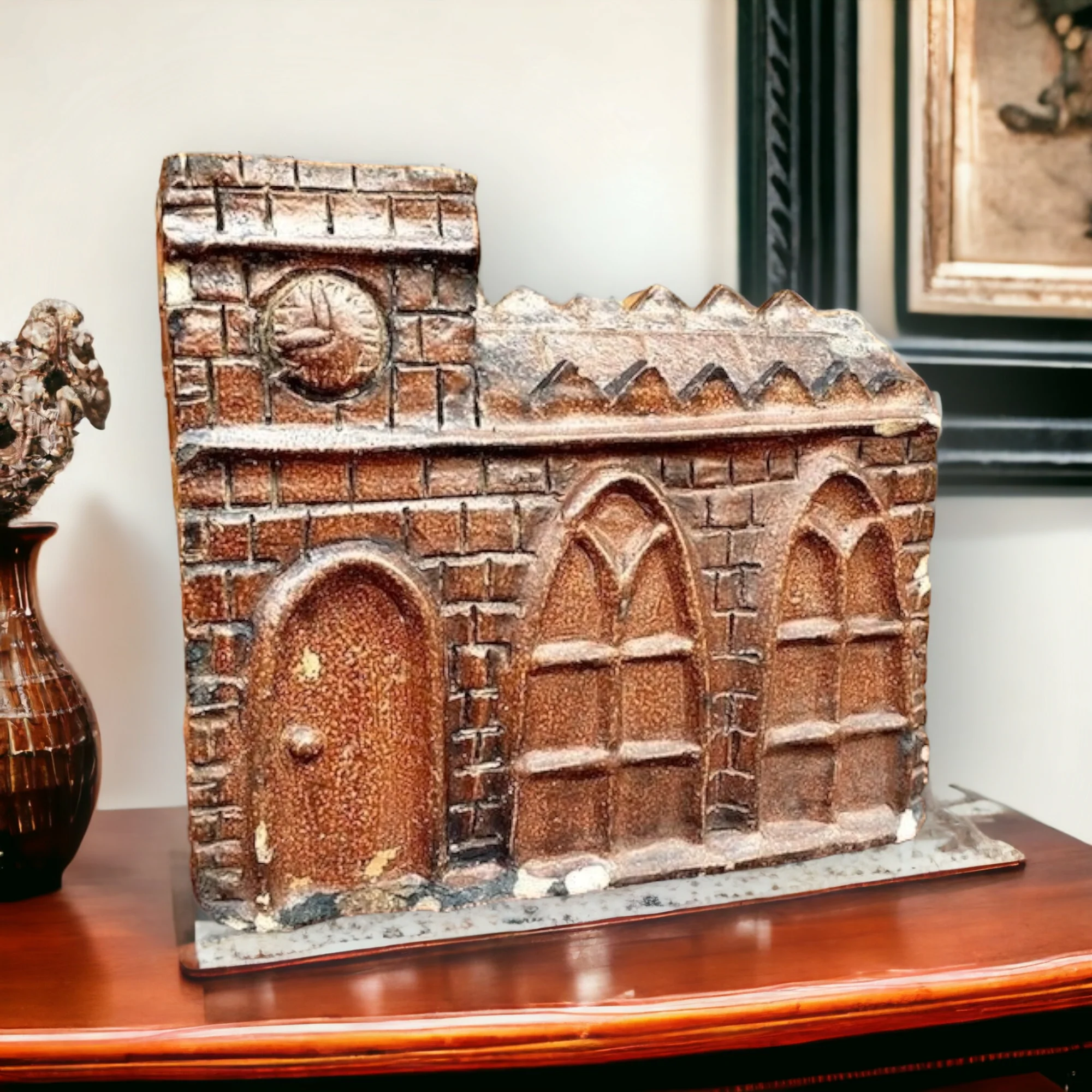
A pair of early 18th Century English antique polychrome delftware plates, attributed to Norfolk House Pottery, Lambeth, London, circa 1730
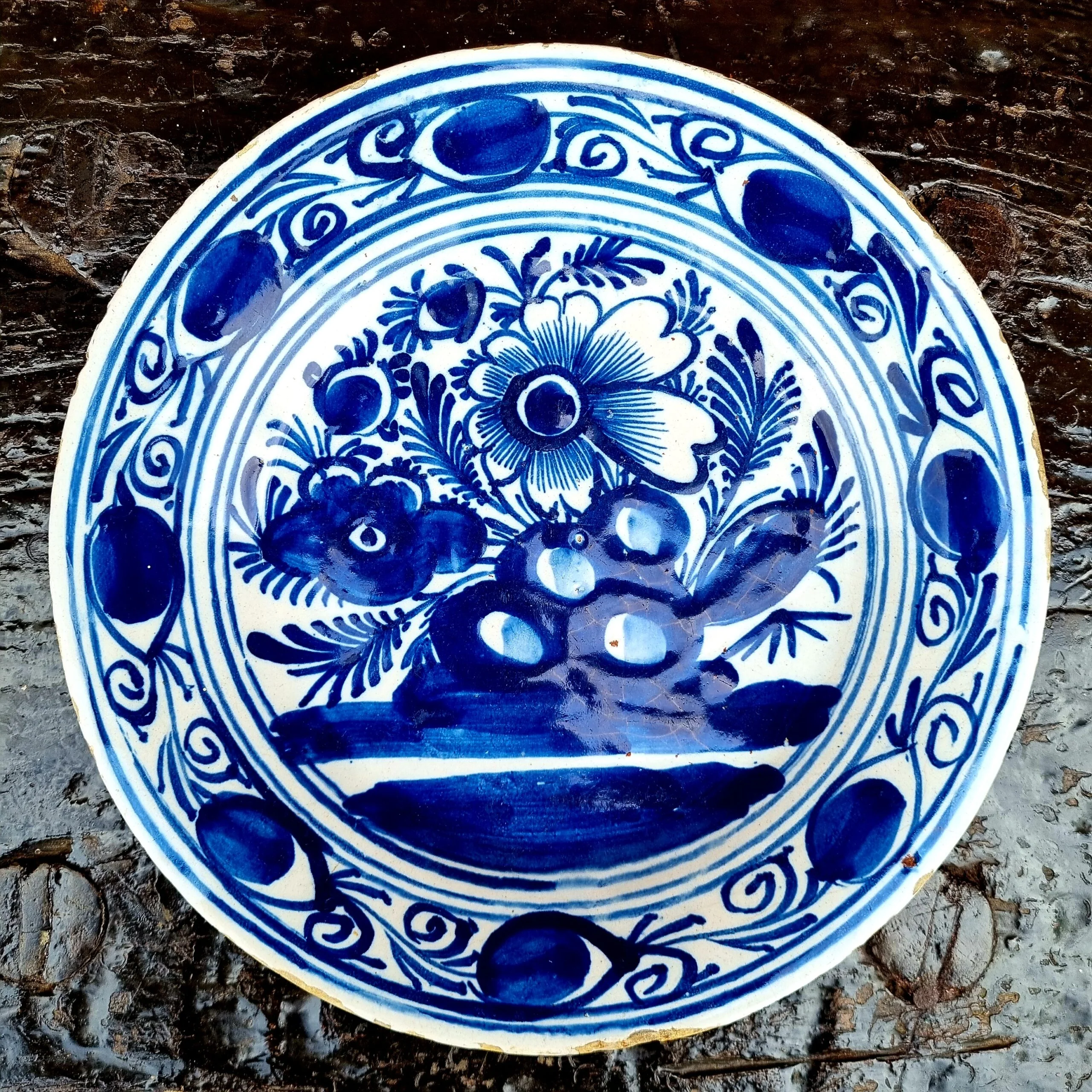
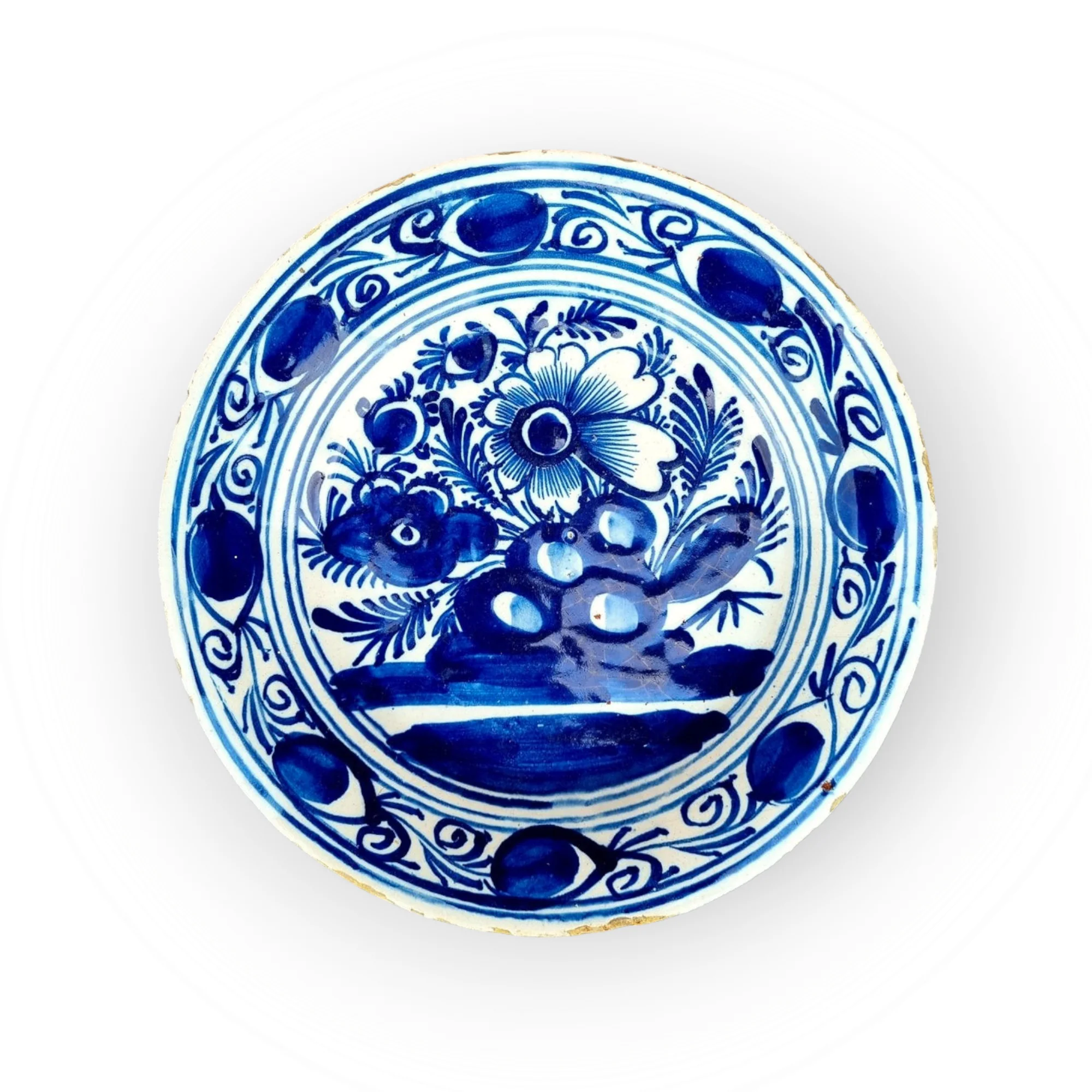
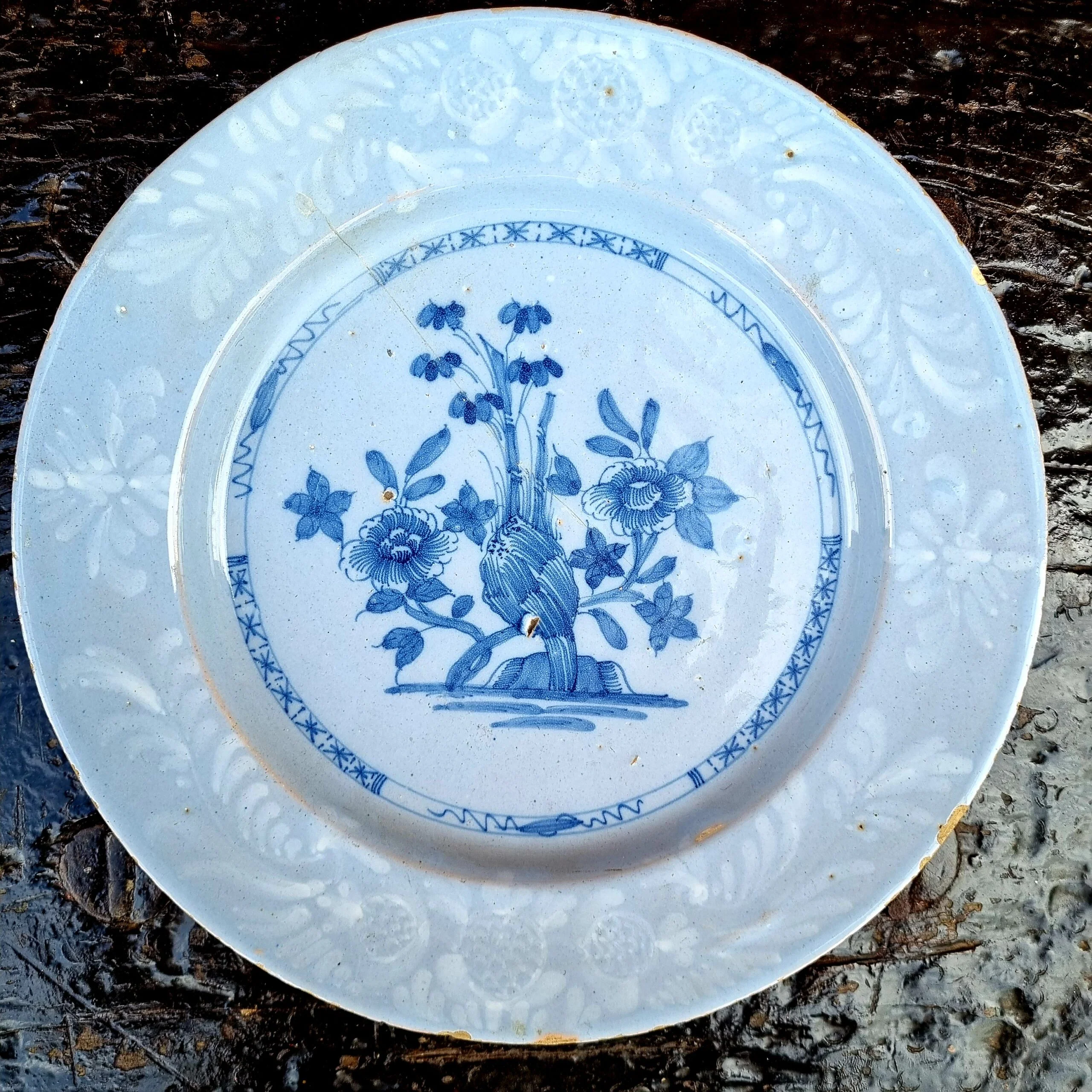
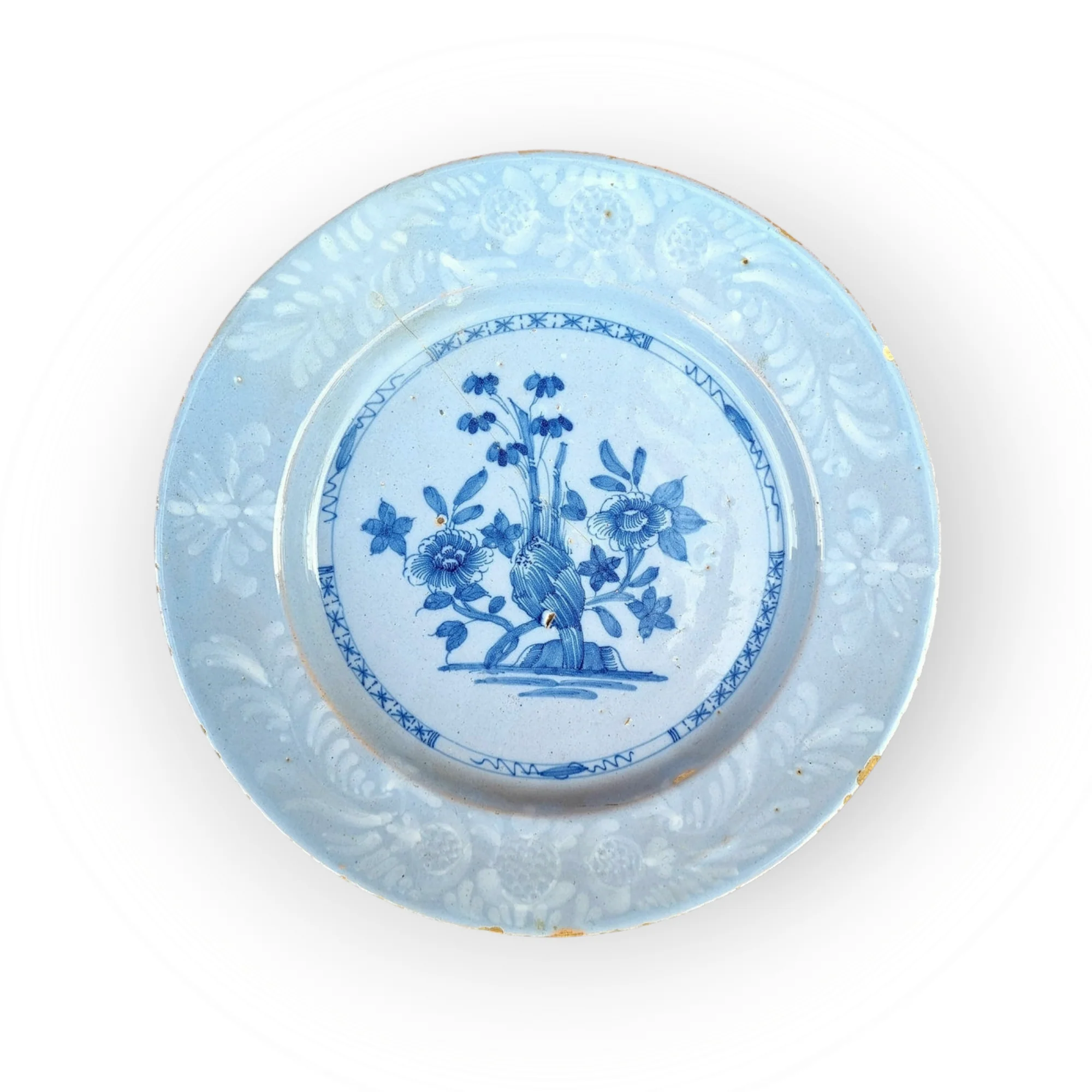
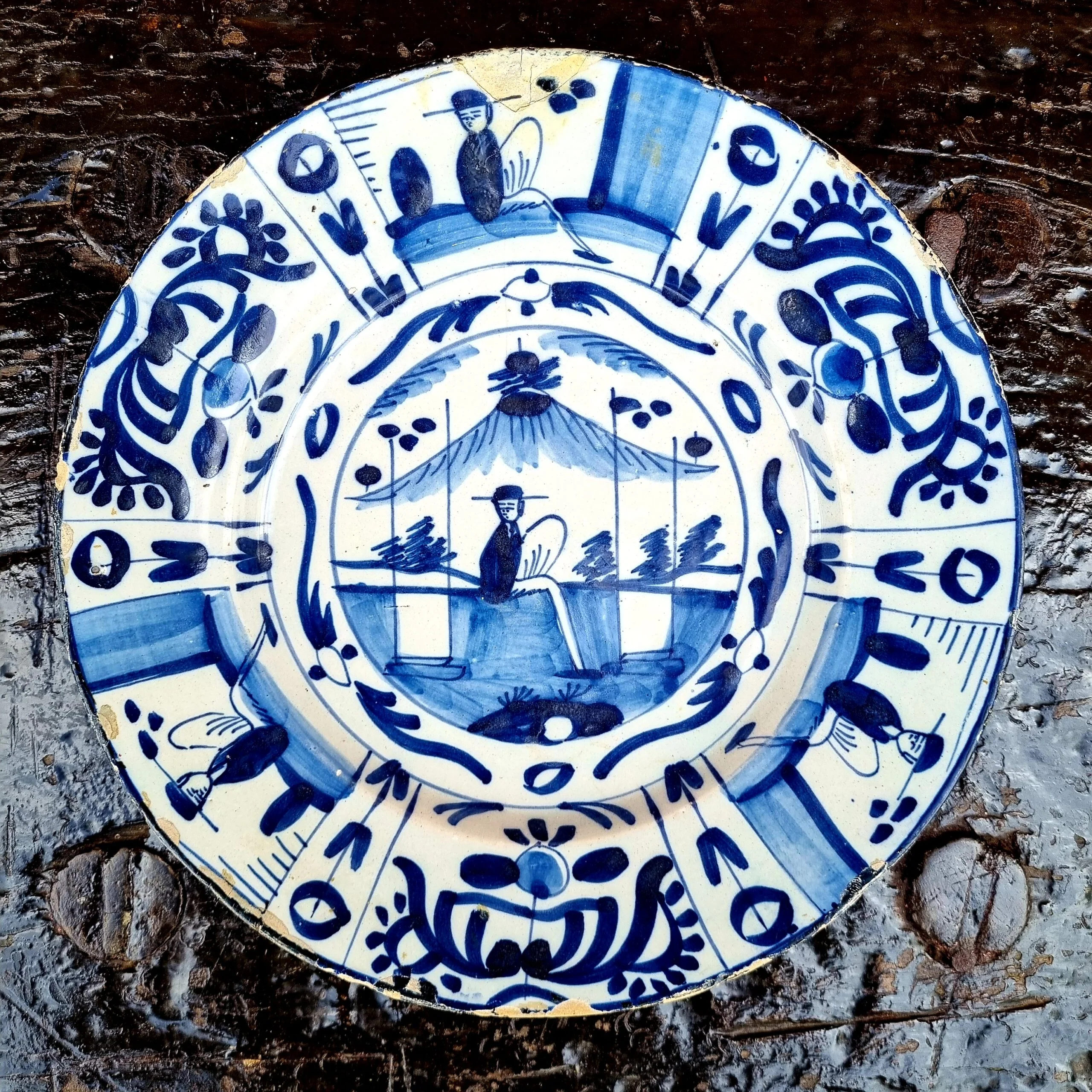
A charming and regionally significant pair of early 18th-century English polychrome delftware plates, attributed to Norfolk House Pottery, Lambeth, circa 1730. Rich in colour and character, they embody the artistry of London’s Georgian ceramic tradition. For collectors of English delftware and decorative tableware, these plates offer both visual appeal and historical depth.
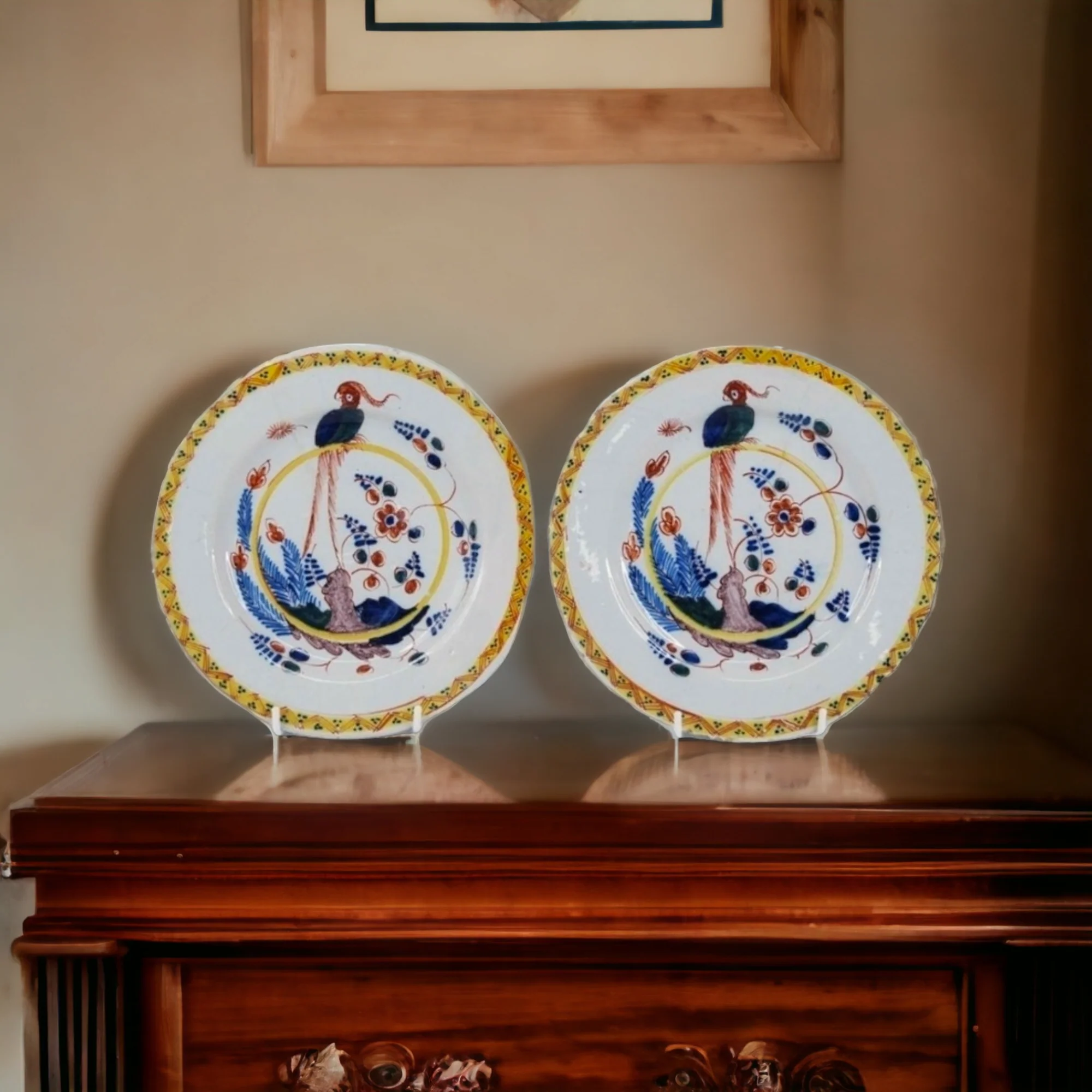
Each is decorated with a bird amongst flowers within a diaper border, dia.22cm. Reference: Archer M (1997) Delftware, C.149.
Provenance: England. 18th century.
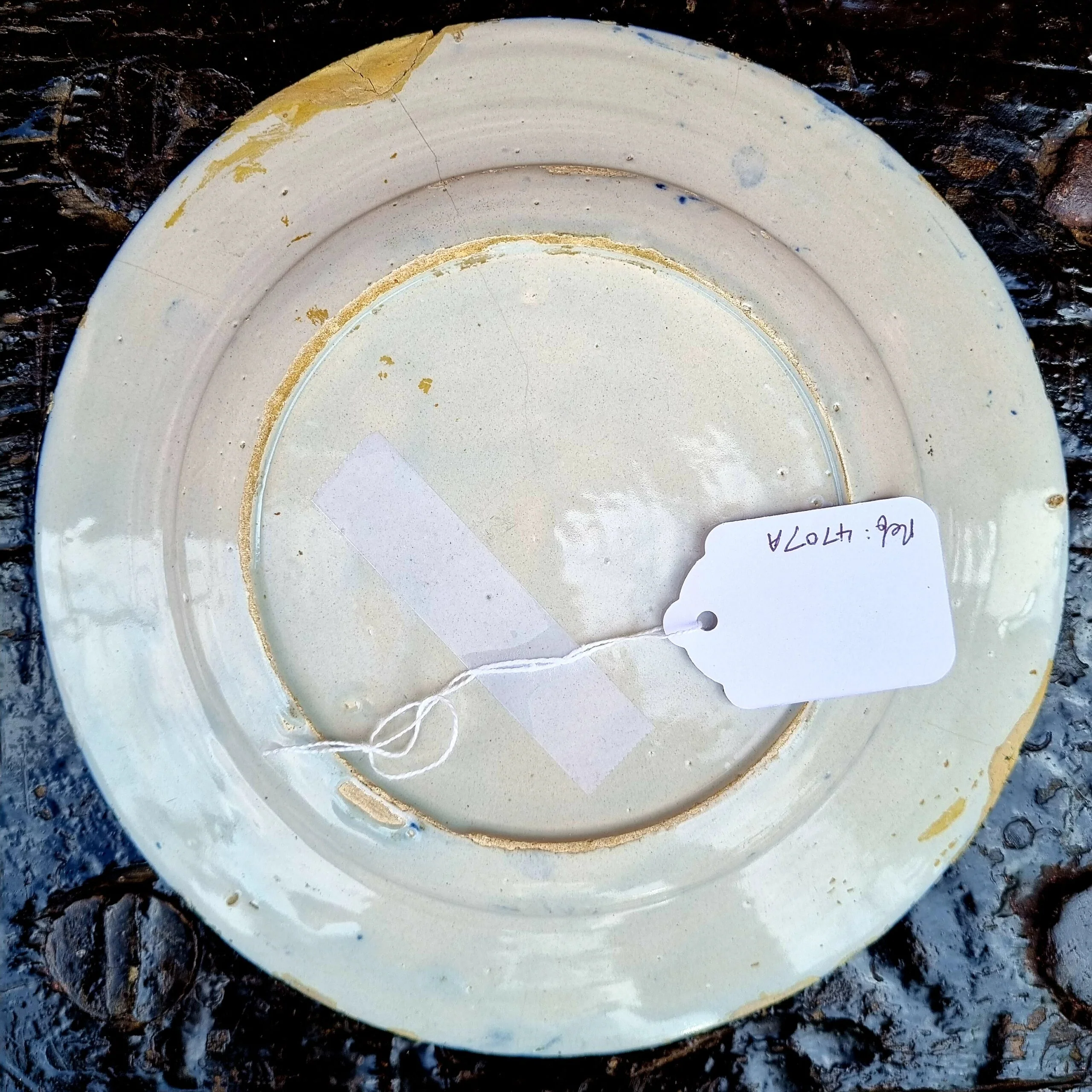
Condition: There are minor rim frits. Both have been cracked and restored historically by a very capable hand. Please refer to the images. A further detailed condition report is available upon request.
Dimensions: Diameter of each plate: 22 cm (8 1/2")
Historical Background:
Delftware — tin-glazed earthenware — flourished in England during the 17th and 18th centuries, with Lambeth emerging as a key production centre. Norfolk House Pottery, active in Lambeth around 1730, was known for its vibrant polychrome decoration and distinctive English interpretations of continental styles.
These plates, attributed to Norfolk House, exemplify the Georgian taste for colourful, hand-painted ceramics. Their floral motifs and palette reflect both Dutch influence and English domestic aesthetics. Surviving pairs are rare, especially with such clarity of decoration and attribution. They offer collectors a tangible link to London’s artisanal heritage and the evolution of British tableware.
These are a vivid echo of Georgian Lambeth — where colour met craft, and pottery became poetry.
A charming and regionally significant pair of early 18th-century English polychrome delftware plates, attributed to Norfolk House Pottery, Lambeth, circa 1730. Rich in colour and character, they embody the artistry of London’s Georgian ceramic tradition. For collectors of English delftware and decorative tableware, these plates offer both visual appeal and historical depth.
Each is decorated with a bird amongst flowers within a diaper border, dia.22cm. Reference: Archer M (1997) Delftware, C.149.
Provenance: England. 18th century.
Condition: There are minor rim frits. Both have been cracked and restored historically by a very capable hand. Please refer to the images. A further detailed condition report is available upon request.
Dimensions: Diameter of each plate: 22 cm (8 1/2")
Historical Background:
Delftware — tin-glazed earthenware — flourished in England during the 17th and 18th centuries, with Lambeth emerging as a key production centre. Norfolk House Pottery, active in Lambeth around 1730, was known for its vibrant polychrome decoration and distinctive English interpretations of continental styles.
These plates, attributed to Norfolk House, exemplify the Georgian taste for colourful, hand-painted ceramics. Their floral motifs and palette reflect both Dutch influence and English domestic aesthetics. Surviving pairs are rare, especially with such clarity of decoration and attribution. They offer collectors a tangible link to London’s artisanal heritage and the evolution of British tableware.
These are a vivid echo of Georgian Lambeth — where colour met craft, and pottery became poetry.
Original: $1,090.37
-70%$1,090.37
$327.11Description
A charming and regionally significant pair of early 18th-century English polychrome delftware plates, attributed to Norfolk House Pottery, Lambeth, circa 1730. Rich in colour and character, they embody the artistry of London’s Georgian ceramic tradition. For collectors of English delftware and decorative tableware, these plates offer both visual appeal and historical depth.
Each is decorated with a bird amongst flowers within a diaper border, dia.22cm. Reference: Archer M (1997) Delftware, C.149.
Provenance: England. 18th century.
Condition: There are minor rim frits. Both have been cracked and restored historically by a very capable hand. Please refer to the images. A further detailed condition report is available upon request.
Dimensions: Diameter of each plate: 22 cm (8 1/2")
Historical Background:
Delftware — tin-glazed earthenware — flourished in England during the 17th and 18th centuries, with Lambeth emerging as a key production centre. Norfolk House Pottery, active in Lambeth around 1730, was known for its vibrant polychrome decoration and distinctive English interpretations of continental styles.
These plates, attributed to Norfolk House, exemplify the Georgian taste for colourful, hand-painted ceramics. Their floral motifs and palette reflect both Dutch influence and English domestic aesthetics. Surviving pairs are rare, especially with such clarity of decoration and attribution. They offer collectors a tangible link to London’s artisanal heritage and the evolution of British tableware.
These are a vivid echo of Georgian Lambeth — where colour met craft, and pottery became poetry.